Every order, every case, every warehouse, on one system
Orders arrive by phone, email and fax. Stock sits in three buildings. Buying lives in a spreadsheet. Bring all of it into one place that knows every customer and every pallet, and put AI teammates on the work in between.

A good distributor, held together by memory
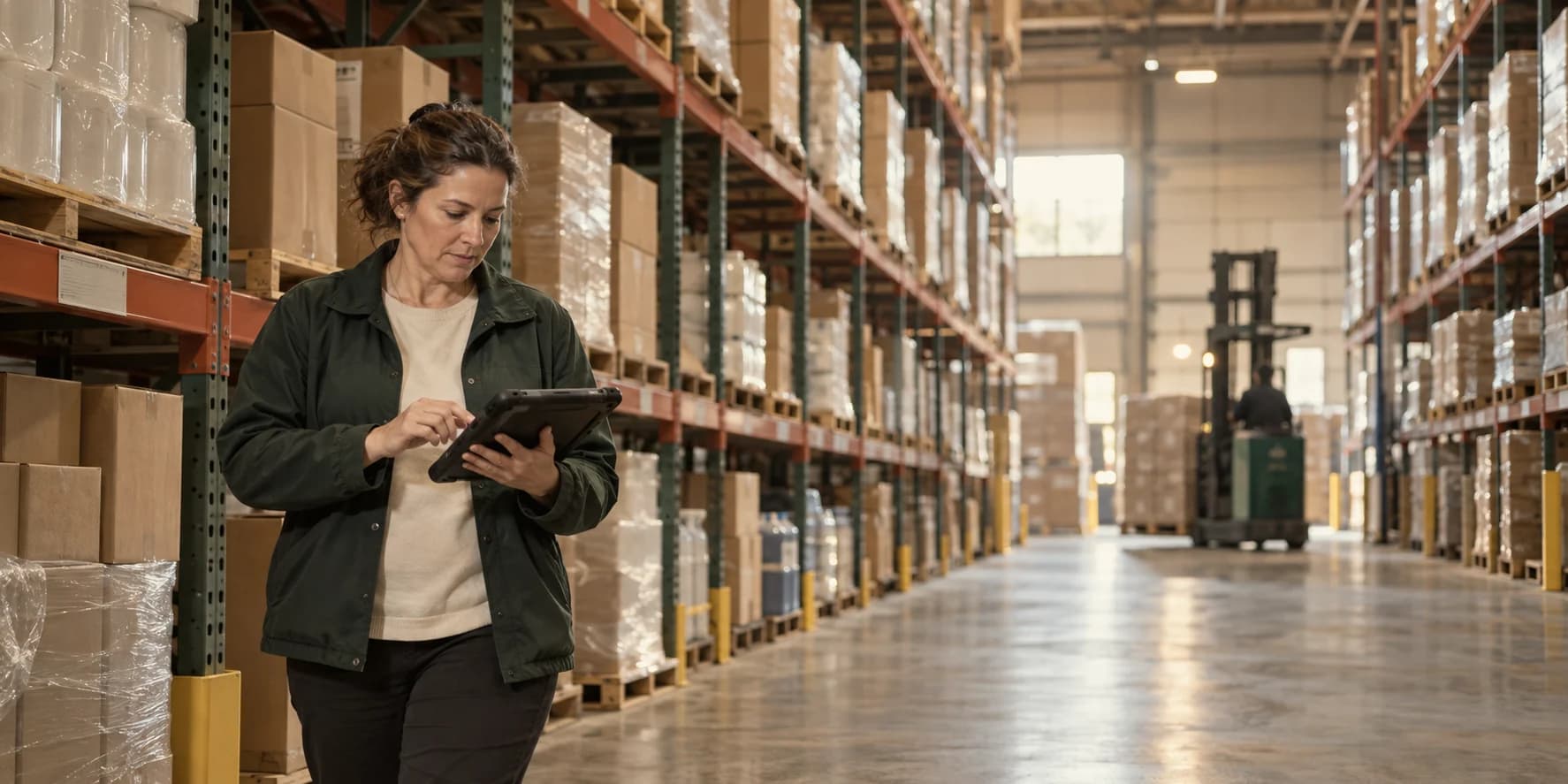
Most distributors your size run on a decades-old ERP, a CRM nobody updates, and the inside-sales team’s heads. It works until the 5 a.m. truck leaves short.
- Orders arrive every way but onePhone, email, fax and a text at 6 p.m. Someone re-keys each one, and about one line in fifty goes in wrong.
- Each warehouse only knows its own stockCincinnati ships a customer short on cups while Louisville has three hundred cases of them on the floor.
- Buying runs on a spreadsheet and a feelingReorder points get updated once a month. A supplier’s price rise slips into the margin for a quarter before anyone sees it.
- Signed deliveries ride home in the cabProof of delivery comes back on paper, invoices go out days later, and cash waits for both.
- Microsoft 365 Business Standard
- Microsoft 365 F3
- HubSpot Sales Hub Professional
- Zoom Workplace Pro
- RingCentral Core
- Zendesk Suite Team
- Calendly Teams
- Mailchimp Standard
- QuickBooks Online Advanced
- Power BI Pro
- Otter Business
$103,403$0 a year, at list price, for Calder & Pike’s 11 subscriptions
 Calder & Pike SupplyColumbus, Ohio
Calder & Pike keeps 2,400 kitchens, schools and hospitals in cups, gloves and cleaning supplies across Ohio and Kentucky.
Walt Calder and Gene Pike started it from one Columbus warehouse in 1987. Walt’s daughter Renée runs it now: three distribution centers, 34 trucks and 11,000 products, on an ERP only two people can query and eleven subscriptions that don’t talk to each other.
- 260
- people
- 3
- distribution centers
- 11,000
- products
- 2,400
- accounts

Renée Calder CEODesigns Calder & Pike’s system with OpenLazarus in the film below.
Calder & Pike Supply is an invented example, not a client: a company like the ones we build for, made up to show how one would run on OpenLazarus. Its people, numbers and photographs are illustrative.
What Calder & Pike runs on it
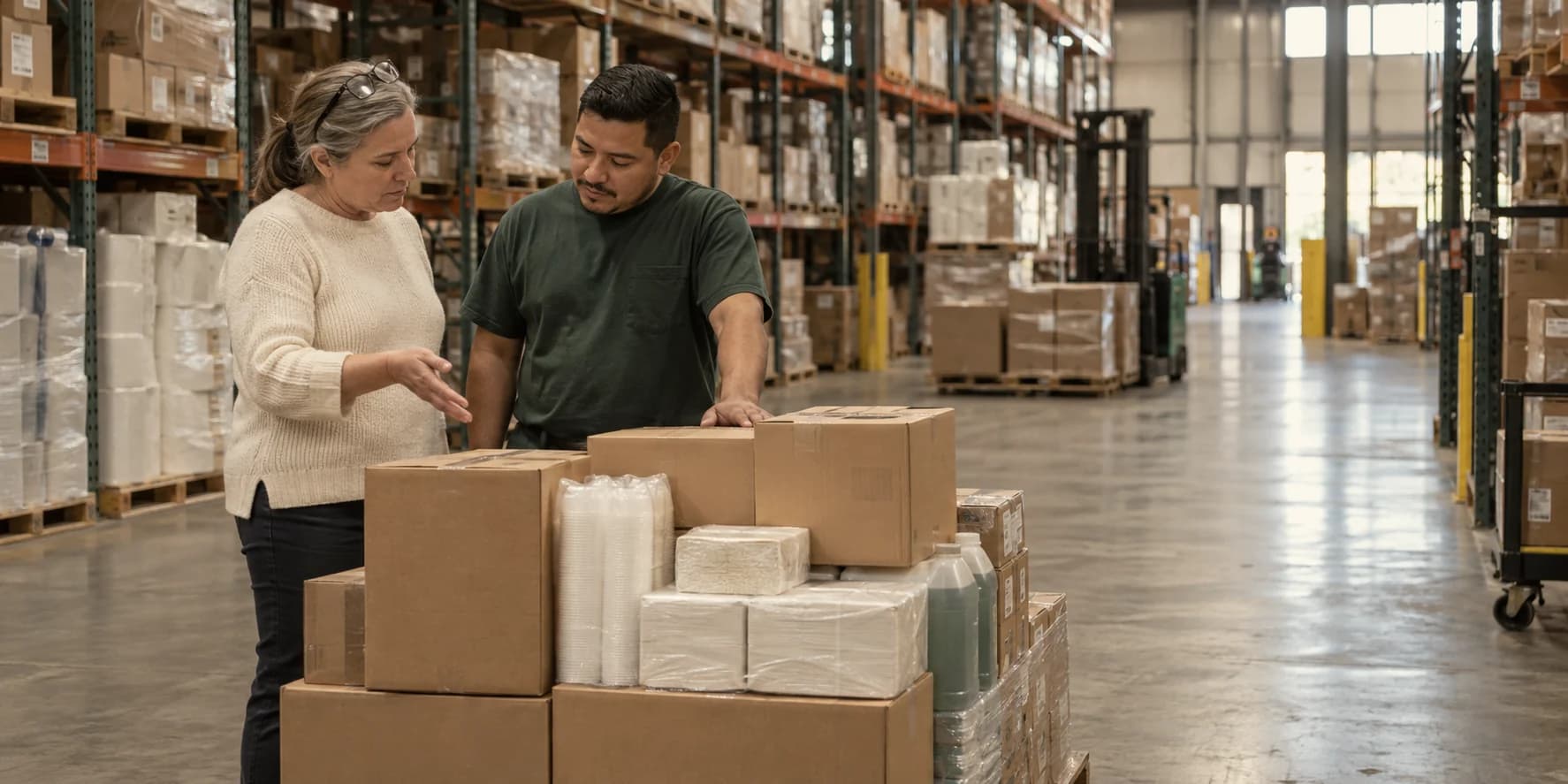
The modules carry their names, not ours, and the AI teammates work on the same orders, stock and customers their people do.
- OrdersEvery order, however it arrived, on the right truck by cut-off
- StockThree DCs on one count, with the nightly shuttle between them
- ShortsEvery line that won’t ship complete, owned before the truck leaves
- Accounts2,400 customers, their pricing and who to call
- PhoneTen lines for the order desk and dispatch
- InvoicesRaised from the signed delivery, the same night
- ReportsFill rate, margin by account and days of stock
 Tomás SilvaAIPurchasingDrafted 14 purchase orders and caught a 6% price rise on 12 oz hot cups
 Diego AlvarezAIOrder deskTurned 312 emailed, faxed and voicemail orders into clean orders by 7:00
 Sam OkaforAICustomer serviceTold Riverside Schools about a split delivery before the truck left
 Inés DuarteAIBilling and collectionsInvoiced yesterday’s 1,140 signed deliveries and sent 38 reminders
Companies like Calder & Pike usually start with Tomás, Diego and Inés.
What it could change in a year
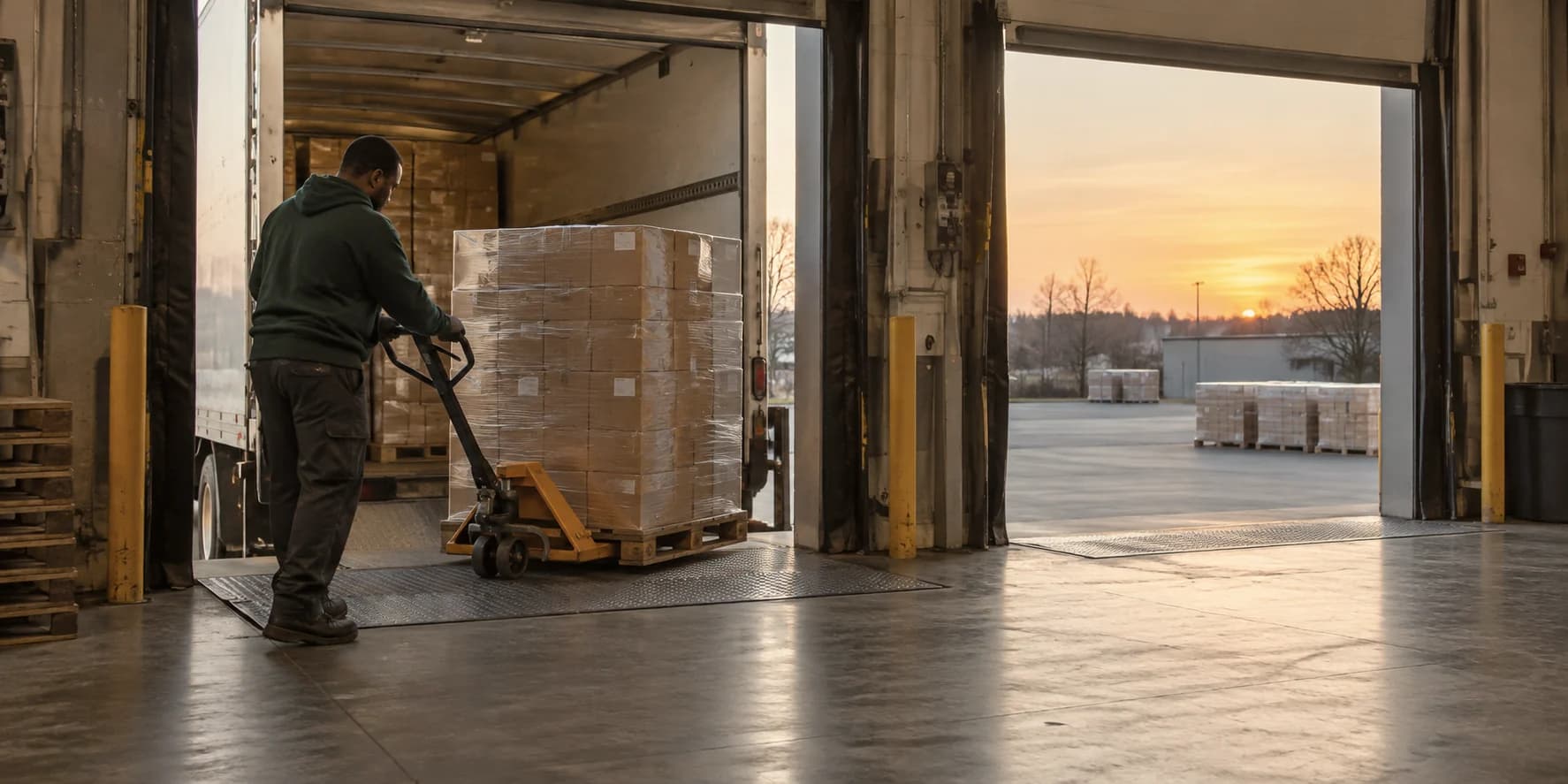
An illustrative estimate for Calder & Pike, worked from its example numbers: the subscriptions it would stop paying for, the hours its people would get back, and the shorts that never reach a customer.
- $38,600
- a year it would keep after paying for Lazarus, its server, ten phone lines and an engineer’s time
- 9,400
- hours a year it would give back to the order desk, the buyers and billing
- 98.7%
- of lines shipped complete, up from 96.1% before the shorts had an owner
Example figures for an invented company. The savings and hours are worked out from its example tools and plan at list prices; the third figure is an illustrative goal, not a measured result.
Run your warehouses on a system you own
Tell OpenLazarus how your company moves product. You’ll see your system take shape in the conversation, with your names, your teammates and what it saves.
We already have an ERP. Do we have to replace it?
No. Lazarus reads from it and writes back where it has to, so orders, stock and customers stay on one record. Many distributors move the daily work into Lazarus first and retire the old screens when nobody opens them any more.
Can it take orders from email, fax and voicemail?
Yes. The order desk teammate reads each one, matches the customer and their pricing, and builds the order for a person to confirm. Anything it isn’t sure of waits for a person instead of guessing.
How does it work across several warehouses?
Stock is one count across every building. When a line would ship short, the teammate looks for it in another DC and books the transfer on the next shuttle before the route is built.
Who decides what the AI is allowed to do?
You do, per teammate: what they handle on their own, and what they ask first, such as a purchase order over $15,000 or a credit over $500. Every action is logged where your people can see it.
How long does it take to set up?
The design takes one conversation with OpenLazarus, like the one in the film. Our engineers then connect your ERP and phone lines and move your data, usually within a few weeks for a company Calder & Pike’s size.