Every order, parcel and return, on one system
Orders come in from the web shop and three marketplaces. Customers write in five languages. Stock arrives by truck from Portugal and by container from Asia. Bring all of it into one place, and put AI teammates on the work in between.


A good brand, held together by tabs
Most online brands your size run on a shop platform, a helpdesk, an email tool, a spreadsheet for buying and the care team’s memory. It holds until a carrier misses a collection in the week before Black Friday.
- “Where is my order?” all dayHalf of what customer care answers is a tracking question. Each one means opening the shop, the carrier’s site and the helpdesk, in German, French or Dutch.
- Ads keep selling what’s nearly goneThe sage casserole has eleven days of stock and a seven-week reorder, and the ads are still spending on it at full pace.
- Returns pile up on a benchA return waits a week to be graded. The refund waits with it, and nobody notices that nine of them are the same chipped lid from one batch.
- Buying runs on a spreadsheetDays of stock get worked out on Monday mornings, from an export that was already out of date on Friday.
- Google Workspace Business Standard
- Slack Pro
- Zendesk Suite Team
- RingCentral Core
- HubSpot Sales Hub Professional
- Mailchimp Standard
- Asana Starter
- Zoom Workplace Pro
- Otter Business
- Power BI Pro
$75,680$0 a year, at list price, for Veltkamp’s 10 subscriptions
 VeltkampAmsterdam, the Netherlands
Veltkamp sells enamelled cast iron, Portuguese stoneware and linen online to home cooks in nineteen European countries.
Hanna Veltkamp’s grandfather sold pans from an ironmonger’s shop in Haarlem from 1958. She put the shop online in 2012 and started designing her own range two years later. Today it is 110 people, a warehouse in Zaandam and 1,300 orders a day, spread across ten subscriptions and a buying spreadsheet.
- 110
- people
- 1,300
- orders a day
- 19
- countries
- 640
- products

Hanna Veltkamp Founder and CEODesigns Veltkamp’s system with OpenLazarus in the film below.
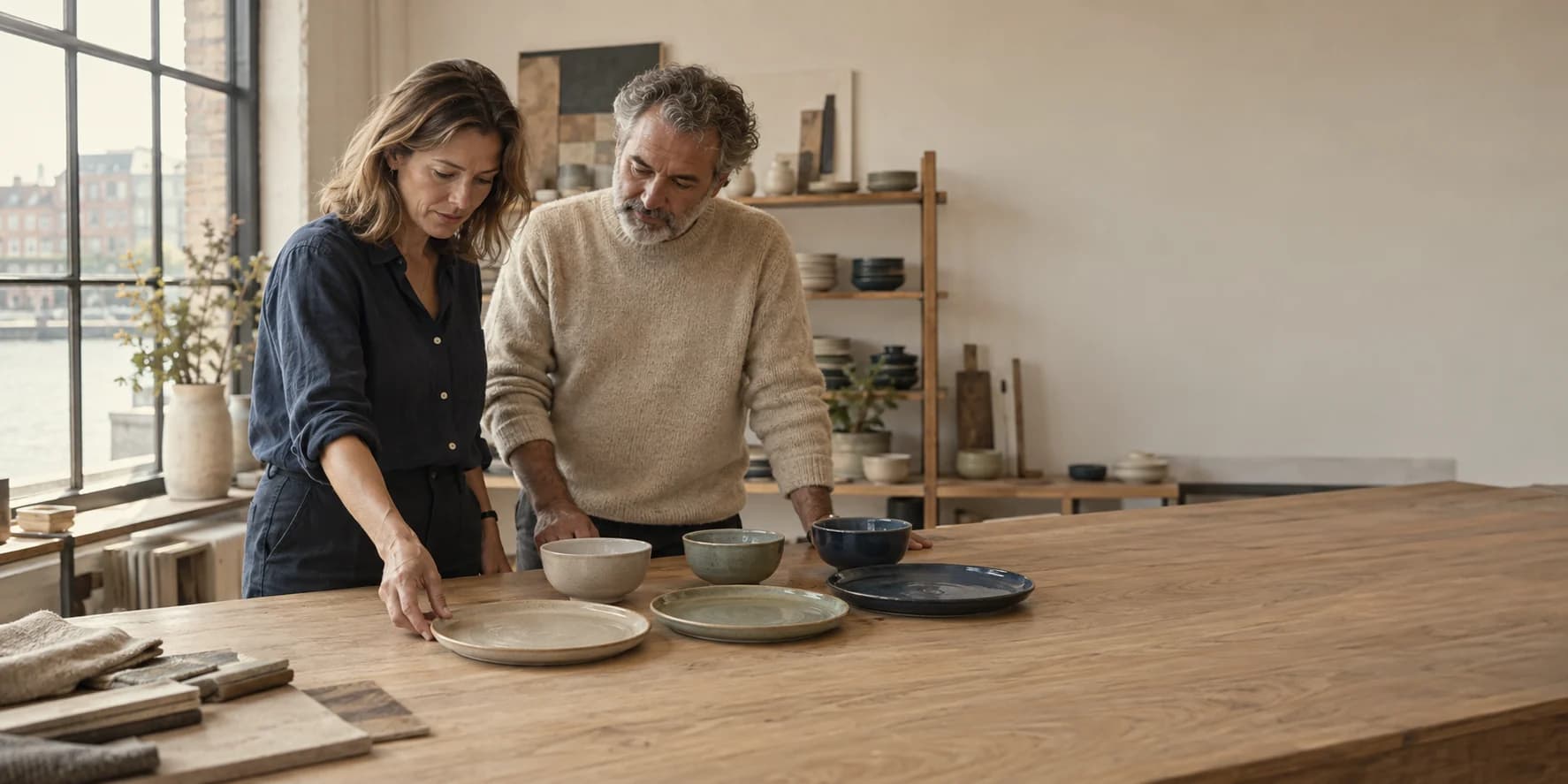
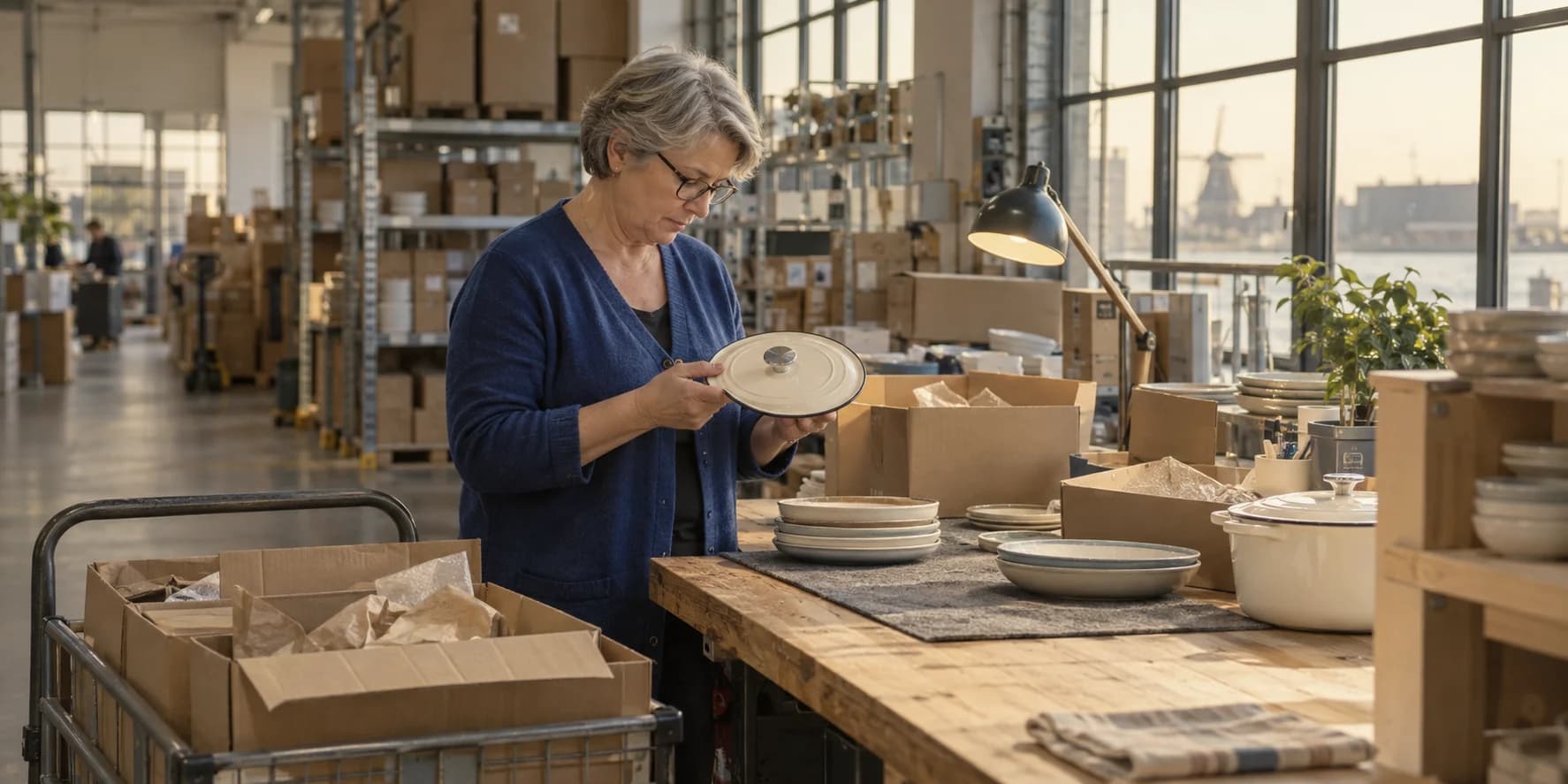
Veltkamp is an invented example, not a client: a company like the ones we build for, made up to show how one would run on OpenLazarus. Its people, numbers and photographs are illustrative.
What Veltkamp runs on it
The modules carry Veltkamp’s names, not ours, and the AI teammates work on the same orders, stock and customers its people do.
- OrdersThe web shop and three marketplaces in one queue, packed by the 17:00 collection
- Stock640 products with days of cover against each supplier’s lead time
- ReturnsEvery return graded within a day: back on the shelf, into seconds or claimed back
- Customers380,000 home cooks, every order and every conversation in their language
- SuppliersEleven makers in Portugal and Asia, with their batches and lead times
- CampaignsLaunch emails and the newsletter, held back on what can’t ship
- PhoneFour lines for customer care, answered by people and Sam
- ReportsMargin after returns, days of cover and ad spend by product
 Sam OkaforAICustomer careAnswered 486 tracking and returns questions in five languages before 9:00
 Diego AlvarezAIFulfilmentMoved 142 parcels for Germany to a second carrier after a missed collection
 Chloe BennettAIMarketingPaused ads on 3 products about to sell out, and moved €640 a day to the rest
 Tomás SilvaAIPurchasingRaised a claim on nine chipped lids from one batch, and drafted 6 purchase orders
Companies like Veltkamp usually start with Sam, Diego and Chloe.
What it could change in a year
An illustrative estimate for Veltkamp, worked from its example numbers: the subscriptions it would stop paying for, the hours its people would get back, and the returns that no longer wait on a bench.
- $13,000
- a year it would keep after paying for Lazarus, its server, four phone lines and an engineer’s time
- 4,300
- hours a year it would give back to customer care, the warehouse and buying
- 1.5 days
- from a return landing in Zaandam to the customer’s refund, down from 8
Example figures for an invented company. The savings and hours are worked out from its example tools and plan at list prices; the third figure is an illustrative goal, not a measured result.
Run your brand on a system you own
Tell OpenLazarus how your orders reach your customers. You’ll see your system take shape in the conversation, with your names, your teammates and what it saves.
We run our shop on a platform already. Do we have to move it?
No. The shop keeps taking orders and payments. Lazarus reads every order, stock level and refund from it and writes back where it has to, so the marketplaces, the warehouse and customer care all work from one record.
Can it answer customers in their own language?
Yes. The care teammate answers by mail, chat and phone in the customer’s language, with the order and the carrier’s tracking in front of it. Anything it isn’t sure of, such as a refund without a return, goes to a person.
What about customer data and the GDPR?
Lazarus runs on your own server, in the EU, and your customer data stays there. You decide which teammates can see what, and every action they take is logged where your people can read it.
Who decides what the AI is allowed to do?
You do, per teammate: what they handle on their own and what they ask first, such as moving more than €1,000 a day of ad budget or holding a batch from sale. OpenLazarus sets those limits with you in the design.
How long does it take before peak season?
The design takes one conversation with OpenLazarus, like the one in the film. Our engineers then connect your shop, marketplaces, carriers and phone lines and move your data, usually within a few weeks for a company Veltkamp’s size. Start by the end of summer and it is settled before Black Friday.