One system for every brand, building and pickup
Orders arrive from sixty storefronts, the floor works in the WMS, and each brand’s rules live in a binder. Bring it into one place that knows every brand’s ship-by time and rate card, and put AI teammates on the work in between.
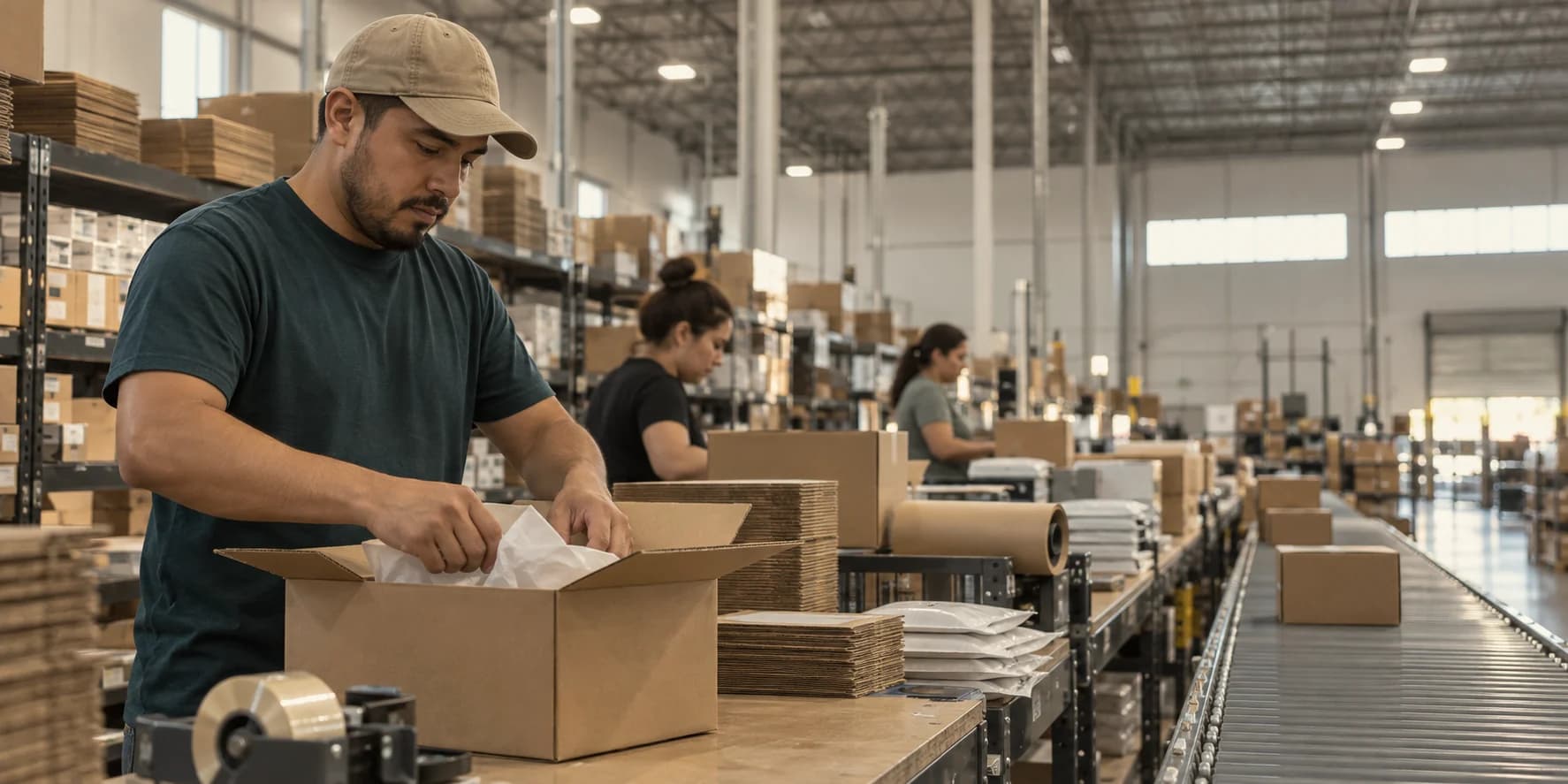

Sixty-two brands, sixty-two sets of rules
Most 3PLs your size run on a good WMS, label software, a Slack channel per brand and a billing spreadsheet. It works until a brand’s sale lands overnight.
- Every brand ships its own wayShip-by times, packing inserts, carrier rules and rate cards differ for each one. They live in a binder, three spreadsheets and the supervisors’ heads.
- The floor hears about a sale at the huddleA brand’s midnight promotion lands 3,900 orders by morning, and the 4 p.m. pickup was planned for 1,400.
- Every question means three screensWhere is my container, my order, my return? Client services checks the WMS, the label software and the brand’s channel before it can answer.
- Billing is a dig on the firstPicks, pallets and labels come from exports into a spreadsheet. Kitting done on a Tuesday afternoon often never reaches the invoice.
- Microsoft 365 Business Standard
- Microsoft 365 F3
- Slack Pro
- HubSpot Sales Hub Professional
- Zendesk Suite Team
- RingCentral Core
- Zoom Workplace Pro
- Calendly Teams
- Asana Starter
- QuickBooks Online Advanced
- Power BI Pro
$96,644$0 a year, at list price, for Haskett’s 11 subscriptions
 Haskett FulfillmentGrand Prairie, Texas
Haskett picks, packs and ships for 62 online brands from four buildings around Dallas–Fort Worth, and delivers across North Texas.
Gil Haskett opened one building in Grand Prairie in 2003, storing furniture for importers. His daughter Keisha came back from running a parcel hub in 2012 and turned it toward e-commerce. Now it is four buildings and 36 trucks, on a WMS, label software and eleven subscriptions that don’t talk to each other.
- 290
- people
- 4
- buildings
- 62
- brands
- 9,000
- orders a day

Keisha Haskett CEODesigns Haskett’s system with OpenLazarus in the film below.
Haskett Fulfillment is an invented example, not a client: a company like the ones we build for, made up to show how one would run on OpenLazarus. Its people, numbers and photographs are illustrative.
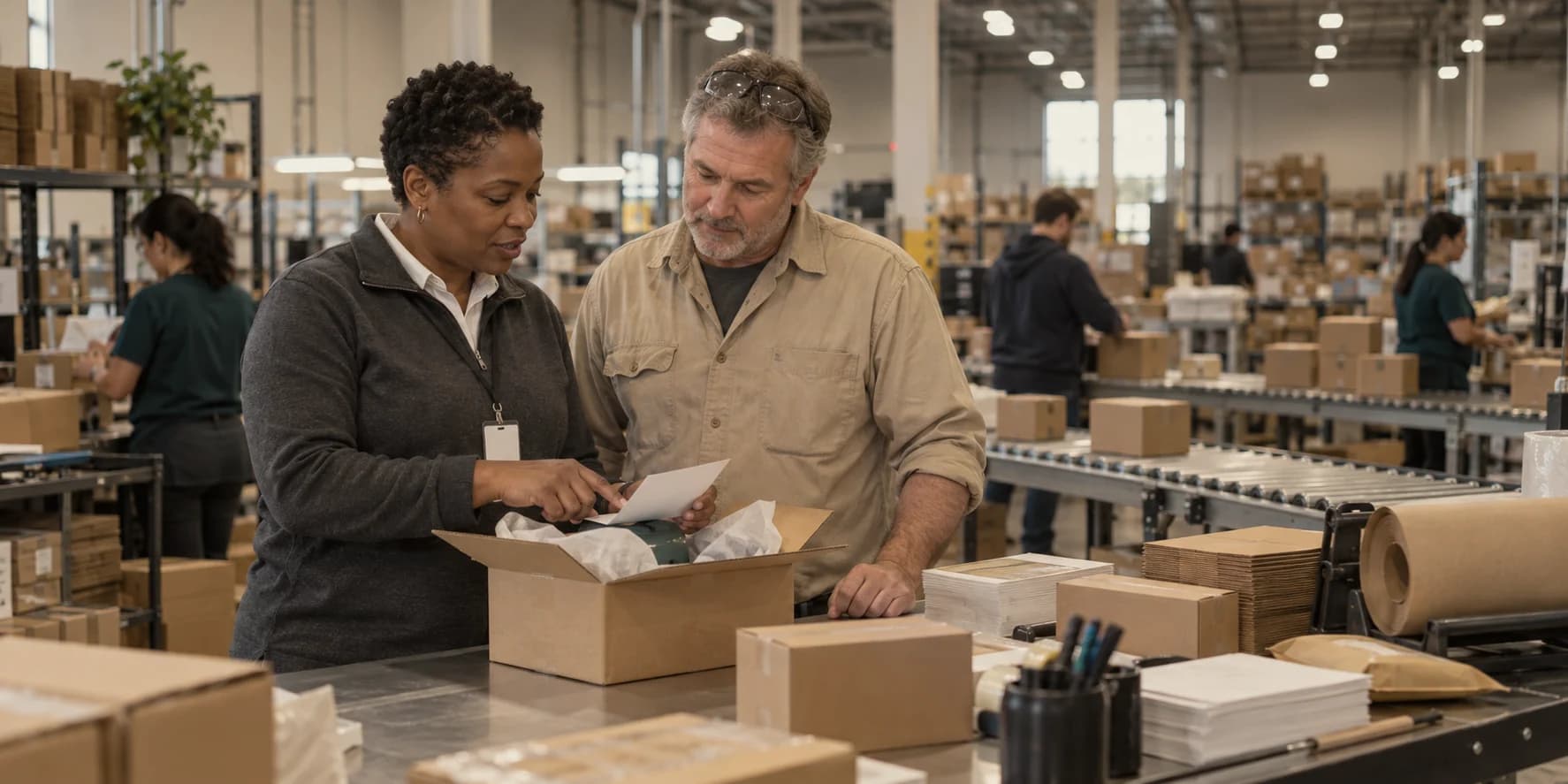
What Haskett runs on it
The modules carry Haskett’s names, not ours, and the AI teammates work on the same brands, orders and pickups its people do.
- OrdersNine thousand a day, each against its brand’s ship-by time
- Client stockEvery brand’s units by building, from dock to stock
- Brands62 brands with their rate cards, rules and contacts
- Client ticketsEvery brand’s questions in one queue, each with an owner
- Fleet36 trucks on North Texas routes, and what each is doing
- Client billingEvery pick, pallet and label on the right brand’s invoice
- OnboardingNew brands from signed contract to first order shipped
- ScorecardsOn-time ship, accuracy and dock-to-stock for every brand
 Diego AlvarezAIFulfillment planningRe-planned Lancaster around 3,900 overnight sale orders and moved 8 pickers from Mesquite by 6:00
 Sam OkaforAIClient servicesAnswered 140 brand questions overnight and told Tallow & Tide its sale ships today
 Mei TanakaAIDelivery dispatchRouted 36 trucks for 1,420 store and home deliveries before the 6:00 huddle
 Inés DuarteAIClient billingBilled September’s picks, pallets and labels to 62 brands and found $2,040 of kitting not yet invoiced
Companies like Haskett usually start with Diego, Sam and Inés.
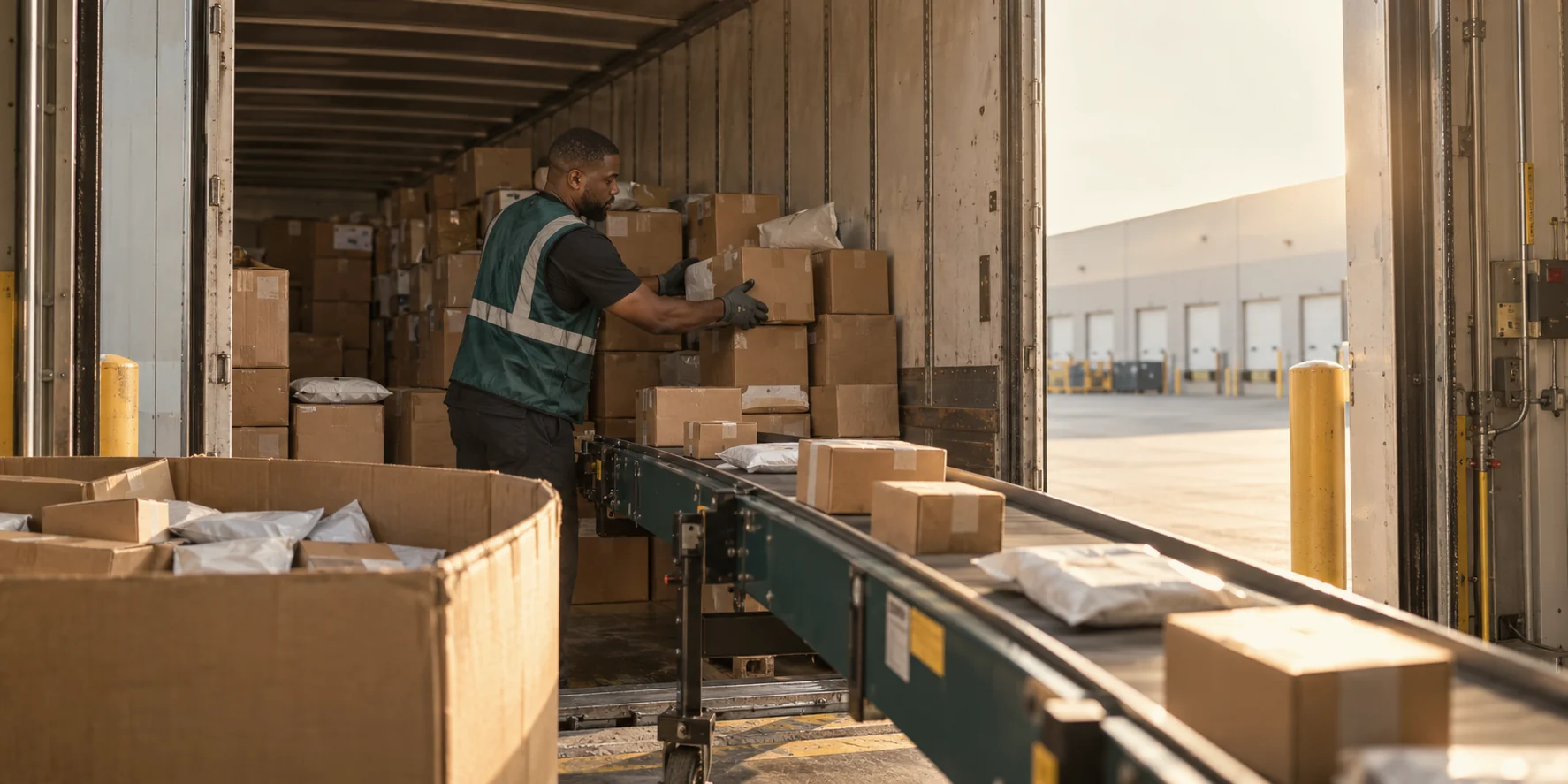
What it could change in a year
An illustrative estimate for Haskett, worked from its example numbers: the subscriptions it would stop paying for, the hours its people would get back, and the orders that make their pickup.
- $32,600
- a year it would keep after paying for Lazarus, its server, eight phone lines and an engineer’s time
- 10,400
- hours a year it would give back to client services, the supervisors and billing
- 99.4%
- of orders out by their ship-by time, up from 97.6% before every wave had an owner
Example figures for an invented company. The savings and hours are worked out from its example tools and plan at list prices; the third figure is an illustrative goal, not a measured result.
Run your floor on a system you own
Tell OpenLazarus how your company picks, packs and ships. You’ll see your system take shape in the conversation, with your names, your teammates and what it saves.
We already have a WMS. Do we have to replace it?
No. The floor keeps scanning in your WMS. Lazarus reads orders, stock and every scan from it and writes back holds and priorities, so client services, billing and scorecards all work from the same record.
Will each brand’s data stay separate?
Yes. Every order, ticket and invoice belongs to one brand, and a teammate only works on a brand’s records for that brand. The system runs on your own server, and every action is logged where your people can see it.
Who decides what the AI is allowed to do?
You do, per teammate: what they handle on their own, and what they ask first, such as billing work that isn’t on a brand’s rate card or a credit over $1,000. Anything they aren’t sure of waits for a person.
What happens in peak season?
The teammates’ work grows with the order count, not the headcount, so November’s tickets, waves and invoices get the same care as March’s. Your people stay on the floor and on the brands that need a call.
How long does it take to set up?
The design takes one conversation with OpenLazarus, like the one in the film. Our engineers then connect your WMS, label software and phone lines and move your data, usually within a few weeks for a company Haskett’s size.