Every quote, job, machine and part, on one system
Quotes wait in an estimator’s inbox. The schedule lives on a whiteboard. Mill certs sit in someone’s email. Bring the whole shop into one place that knows every job and every machine, and put AI teammates on the work in between.
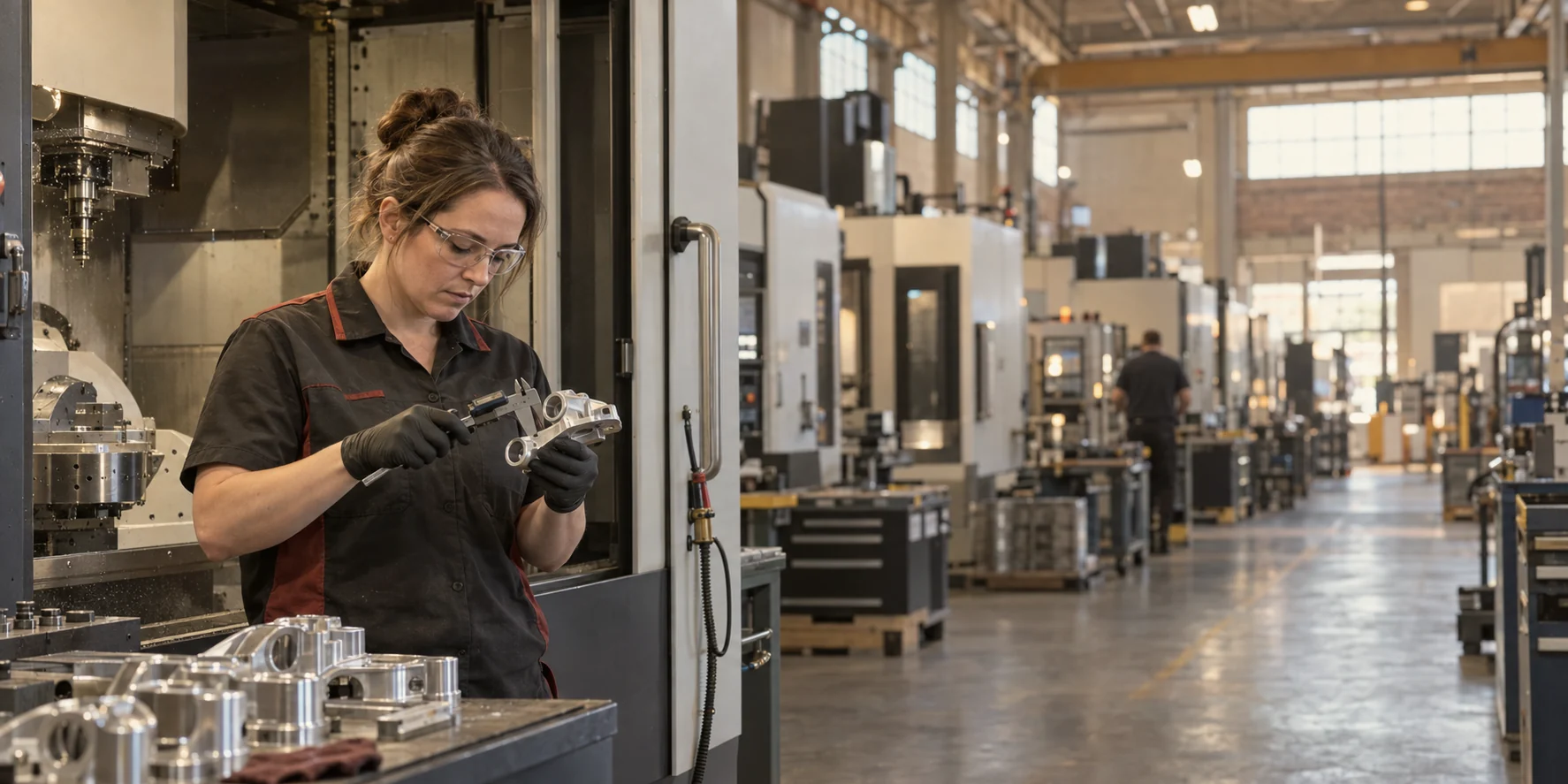

A good shop, scheduled on a whiteboard
Most job shops your size run a capable ERP that the floor stopped trusting years ago. The real schedule is on the whiteboard, and the real status is in the cell leads’ heads.
- Quotes wait on one estimatorAn RFQ for 200 titanium housings sits three days while he digs up last year’s routing. The customer buys from a shop that answered the same afternoon.
- The schedule moves faster than the ERPA hot job jumps the queue on the five-axis and three other jobs quietly slip. Nobody sees it until a buyer calls about a ship date.
- Material arrives the day it’s neededBar stock is ordered when the job is released, not when it’s quoted. The mill certs land in an inbox and get hunted down the week of the audit.
- Quality lives in bindersNonconformances are written on paper and closed when someone remembers, so the same burr on the same bracket comes back three orders later.
- Microsoft 365 Business Standard
- Microsoft 365 F3
- Slack Pro
- HubSpot Sales Hub Professional
- Zoom Workplace Pro
- RingCentral Core
- Zendesk Suite Team
- Asana Starter
- Calendly Teams
- Mailchimp Standard
- Power BI Pro
- Otter Business
$90,834$0 a year, at list price, for Brinkhorst’s 12 subscriptions
 Brinkhorst PrecisionGrand Rapids, Michigan
Brinkhorst machines and fabricates short-run parts for 140 medical, aerospace and office-furniture makers.
Hank Brinkhorst opened the shop in 1971 to build fixtures for Grand Rapids’ furniture plants. His grandson Joel runs it now and moved it into medical and aerospace work: 58 CNC machines and 2,300 active part numbers, on a job-shop ERP the floor works around, a whiteboard, and twelve subscriptions that don’t talk to each other.
- 220
- people
- 58
- CNC machines
- 2,300
- active part numbers
- 140
- OEM customers

Joel Brinkhorst PresidentDesigns Brinkhorst’s system with OpenLazarus in the film below.
Brinkhorst Precision is an invented example, not a client: a company like the ones we build for, made up to show how one would run on OpenLazarus. Its people, numbers and photographs are illustrative.
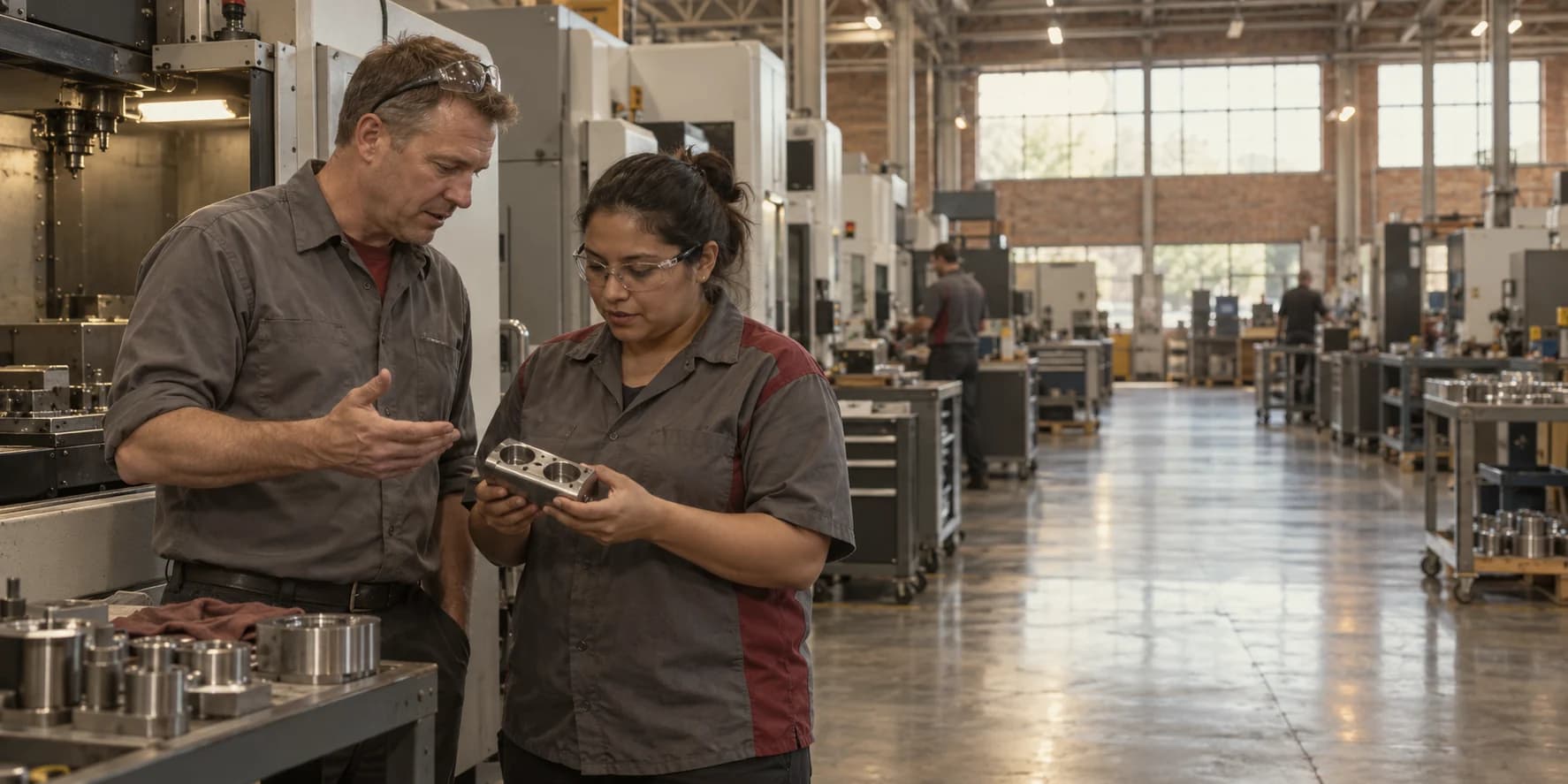
What Brinkhorst runs on it
The modules carry the shop’s names, not ours, and the AI teammates work on the same jobs, machines and parts its people do.
- JobsEvery work order from release to ship, with its routing and promise date
- Machines58 CNC machines and four weld cells, what each is running and what’s next
- MaterialBar, plate and purchased parts, with heat numbers and mill certs
- QualityEvery NCR and customer complaint, with an owner and a root cause
- QuotesEvery RFQ by stage, priced from the last routing
- Customers140 OEMs, their buyers, drawings and terms
- PhoneSix lines for the front office, purchasing and shipping
- ReportsOn-time delivery, spindle hours and scrap by part
 Diego AlvarezAIProduction schedulingMoved a stopped aerospace job to another mill at 3:41 and kept all 186 ship dates
 Tomás SilvaAIPurchasingOrdered bar for 11 released jobs and caught an 8% rise on titanium
 Grace LindqvistAIQualityFiled 23 mill certs against their heat numbers and opened 2 NCRs from last night’s inspection
 Priya RamanAIQuotes and accountsDrafted 6 quotes from past routings, ready for the estimator by 8:00
Companies like Brinkhorst usually start with Diego, Tomás and Grace.
What it could change in a year
An illustrative estimate for Brinkhorst, worked from its example numbers: the subscriptions it would stop paying for, the hours its people would get back, and the jobs that ship on the date they were promised.
- $27,500
- a year it would keep after paying for Lazarus, its server, six phone lines and an engineer’s time
- 7,600
- hours a year it would give back to scheduling, purchasing, quality and estimating
- 96.4%
- of jobs shipped on the promised date, up from 88.5% when the schedule lived on a whiteboard
Example figures for an invented company. The savings and hours are worked out from its example tools and plan at list prices; the third figure is an illustrative goal, not a measured result.
Run your shop on a system you own
Tell OpenLazarus how a job moves through your shop, from quote to ship. You’ll see your system take shape in the conversation, with your names, your teammates and what it saves.
We already have an ERP. Do we have to replace it?
No. Lazarus reads jobs, routings and inventory from your ERP and writes back what changes, so there is still one record. Most shops move the daily work into Lazarus first and keep the ERP for job costing and the books.
We’re AS9100 and ISO 13485. How does it handle quality records?
Every NCR, mill cert and first-article report is filed against its job, part and heat number, with who did what and when. It runs on a server that is yours, so the record is there when the auditor asks.
Does it talk to our machines?
Where your machines already report their status, our engineers connect it. Where they don’t, a cell lead updates a job from a tablet at the machine in two taps.
Who decides what the AI is allowed to do?
You do, per teammate: what they handle on their own, and what they ask first, such as a material order over $20,000 or moving a promised ship date. Every action is logged where your people can see it.
How long does it take to set up?
The design takes one conversation with OpenLazarus, like the one in the film. Our engineers then connect your ERP, phones and drawings and move your data, usually within a few weeks for a shop Brinkhorst’s size.