Every lot, line and certificate on one system
Lots are traced on batch sheets, certificates sit in inboxes, and retailers short-pay invoices nobody checks. Bring it into one place that knows every lot from the receiving dock to the shelf, and put AI teammates on the work in between.
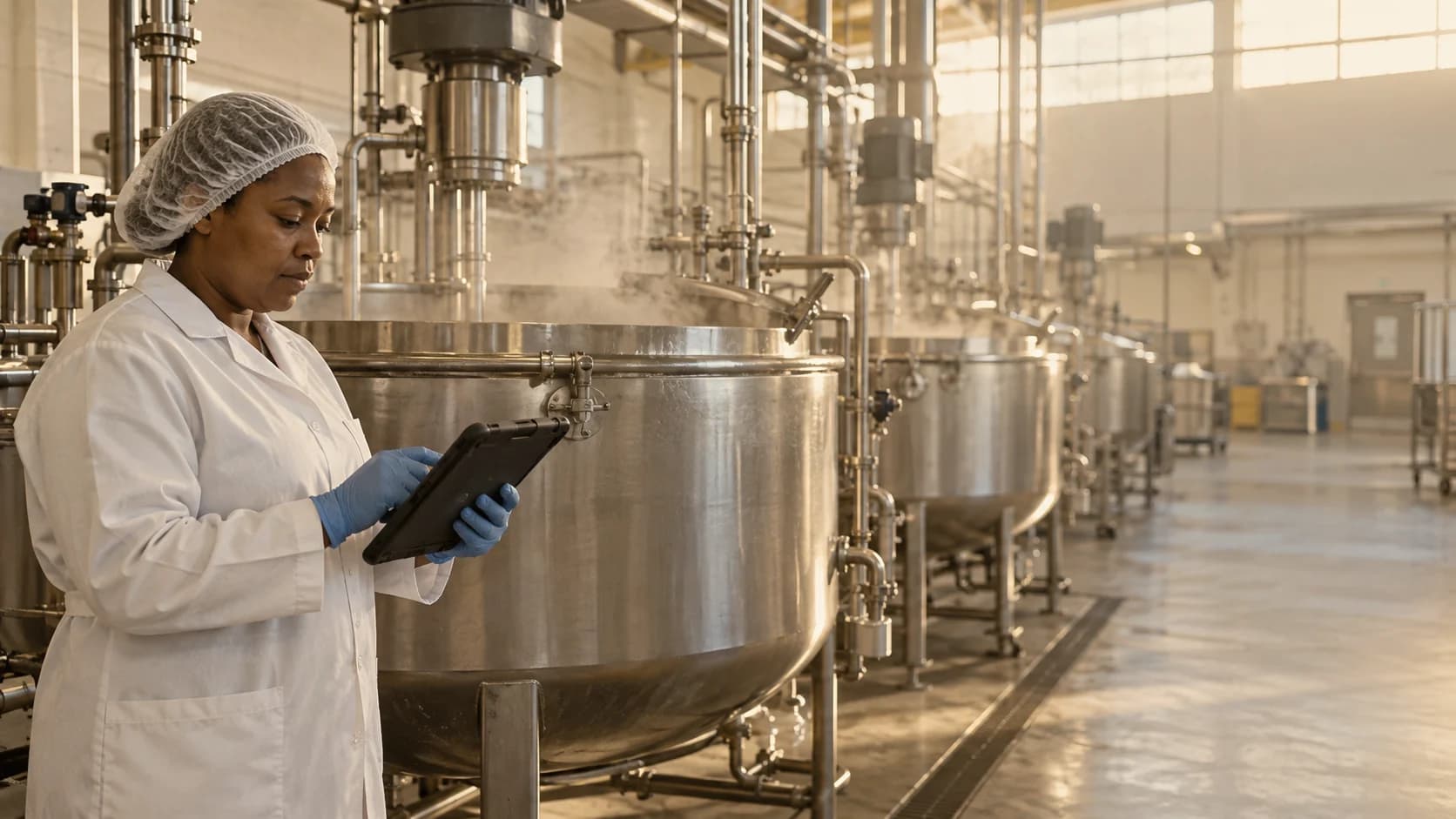

A careful plant, held together by binders
Most food makers your size run a plant ERP, a QA binder, a CRM for the buyers and a lot of spreadsheets. It works until the auditor asks for a mock recall.
- A mock recall takes a dayThe auditor picks a lot of cheddar sauce. Tracing it back to every ingredient and forward to every pallet takes two people most of a day, across the ERP, the batch sheets and a binder.
- Certificates live in someone’s inboxSupplier COAs, allergen statements and the audit file are spread across mail and shared drives. A spice supplier’s certificate lapses and nobody notices until the audit.
- Deductions nobody disputesGrocery chains short-pay for late trucks, damaged cases and promotions. Most are under $400, so most are never checked, and together they come to 2% of sales.
- The schedule changes after it’s printedA retailer pulls an order forward and the allergen washdown moves with it. Line 2’s crew finds out at the start of the shift.
- Microsoft 365 Business Standard
- Microsoft 365 F3
- Dynamics 365 Sales Enterprise
- Zoom Workplace Pro
- RingCentral Core
- Zendesk Suite Team
- Mailchimp Standard
- Power BI Pro
- Otter Business
- Asana Starter
$80,041$0 a year, at list price, for Fennick’s 10 subscriptions
 Fennick FoodsKiel, Wisconsin
Fennick makes cheese sauces and dips for Midwest grocers and foodservice, half under the stores’ own labels.
Otto Fennick opened a cheese plant in Kiel in 1961. His grandson Ben turned it into sauces, then into a co-packer for private labels: four lines and 3,000 lots a year, on a plant ERP, a QA binder and ten subscriptions that don’t talk to each other.
- 160
- people
- 4
- production lines
- 310
- products
- 3,000
- lots a year

Ben Fennick CEODesigns Fennick’s system with OpenLazarus in the film below.
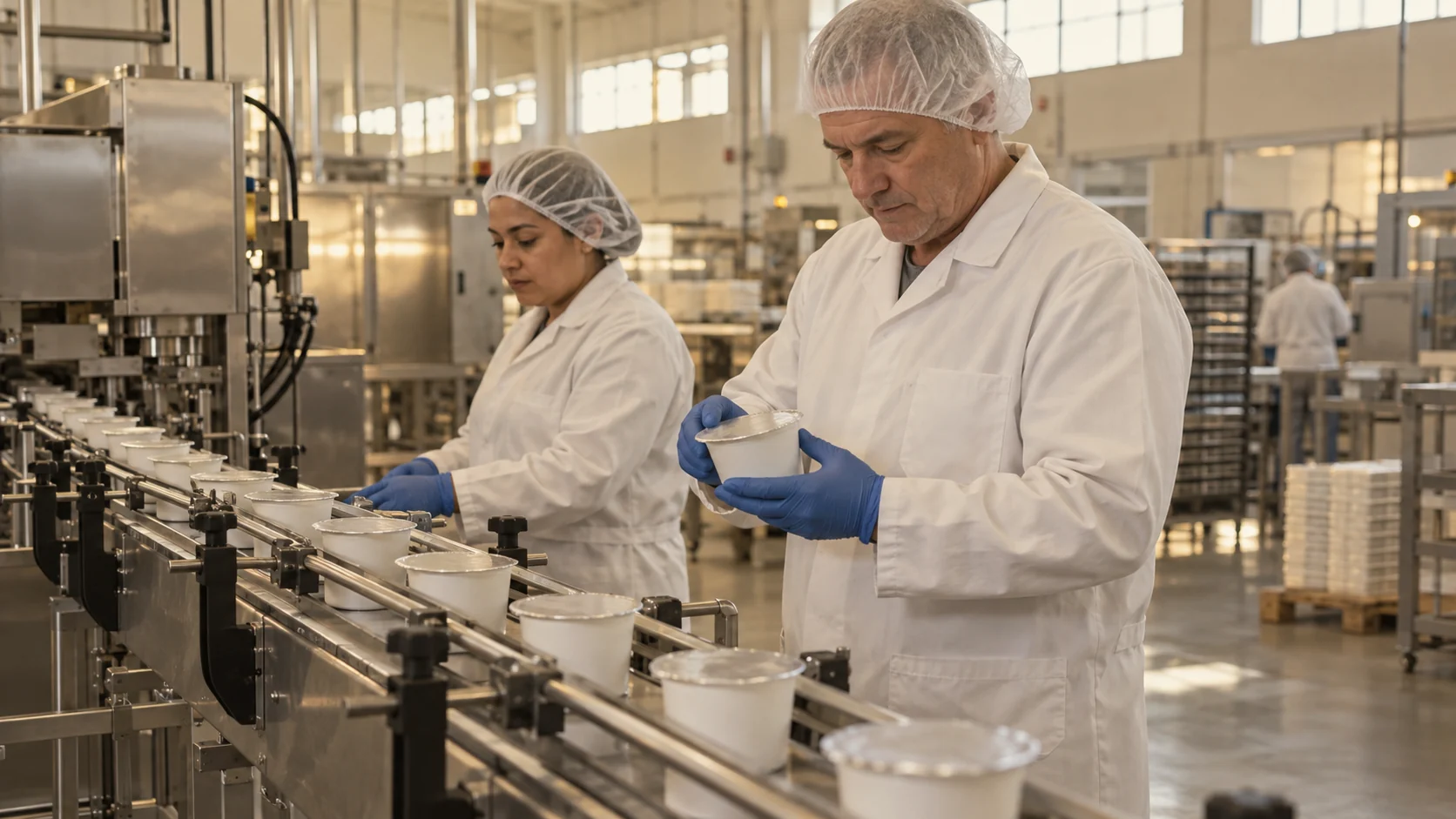
Fennick Foods is an invented example, not a client: a company like the ones we build for, made up to show how one would run on OpenLazarus. Its people, numbers and photographs are illustrative.
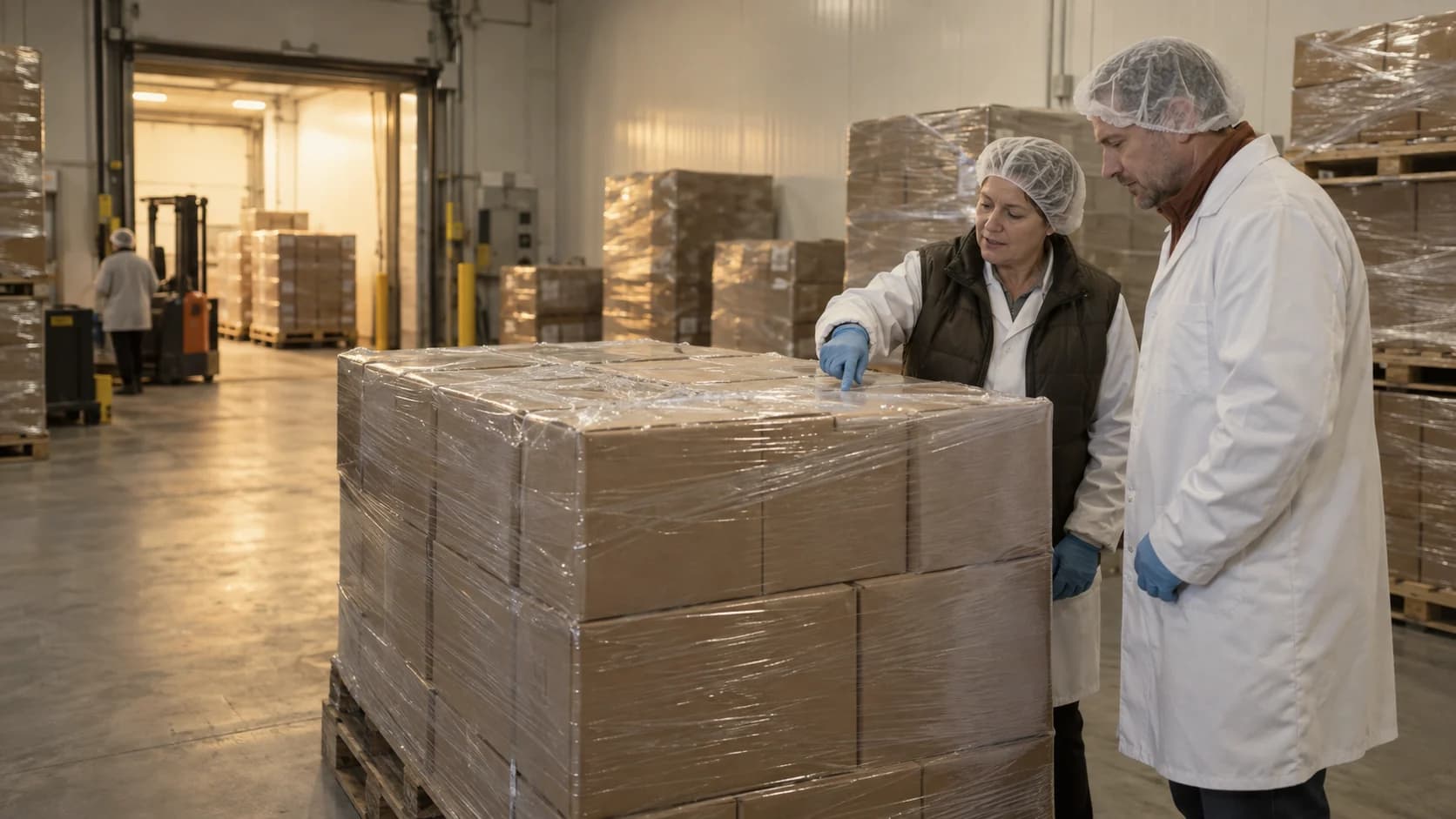
What Fennick runs on it
The modules carry their names, not ours, and the AI teammates work on the same lots, orders and buyers their people do.
- LotsEvery lot, what went into it and where every case went
- OrdersRetail and foodservice orders, from EDI to the truck
- QualityHolds, complaints and supplier certificates, each with an owner
- SpecsSpecs, COAs and the audit file, current and in one place
- Buyers22 grocery chains and distributors, and who to call at each
- BillingInvoices, and every deduction matched to its proof
- PhoneFour lines for customer service and shipping
- ReportsYield by line, fill rate and deductions by retailer
 Grace LindqvistAIFood safety and certificatesChecked 46 supplier certificates and held one cheddar delivery until its COA was complete
 Diego AlvarezAIProduction planningFitted a retailer’s 600 extra cases onto Line 2, allergen washdown included
 Tomás SilvaAIPurchasingPlaced 9 ingredient and packaging orders against this week’s schedule
 Inés DuarteAIBilling and deductionsMatched 31 retailer deductions to their proof of delivery and disputed 6, worth $4,920
Companies like Fennick usually start with Grace, Diego and Tomás.
What it could change in a year
An illustrative estimate for Fennick, worked from its example numbers: the subscriptions it would stop paying for, the hours its people would get back, and a mock recall that takes minutes instead of a day.
- $17,400
- a year it would keep after paying for Lazarus, its server, four phone lines and an engineer’s time
- 5,800
- hours a year it would give back to QA, planning, purchasing and billing
- 35 min
- to trace a lot back and forward in a mock recall, down from most of a working day
Example figures for an invented company. The savings and hours are worked out from its example tools and plan at list prices; the third figure is an illustrative goal, not a measured result.
Run your plant on a system you own
Tell OpenLazarus how your lines, lots and buyers work. You’ll see your system take shape in the conversation, with your names, your teammates and what it saves.
We run the plant on an ERP. Do we have to replace it?
No. Lazarus reads lots, orders and inventory from it and writes back where it has to, so there is one record of every lot. Most producers move the daily work into Lazarus first and keep the ERP for costing and the ledger.
Will it hold up in an audit or an FDA inspection?
Every hold, release, certificate and record keeps who did it and when, and a mock recall becomes a search instead of a project. Your food safety plan and your PCQI stay in charge: the system keeps the evidence, it doesn’t sign it.
Can an AI release a lot or change the schedule?
Only within the rules you write for each teammate. Grace never releases a finished lot on her own, and Diego asks before any overtime over $1,500. Every action is logged where QA and the plant can see it.
Our retailers send orders and remittances by EDI. Does that change?
No. Orders keep arriving the way your customers send them. Lazarus reads the EDI orders and remittances, so each deduction sits next to its invoice, its bill of lading and the promotion it claims.
How long does it take to set up?
The design takes one conversation with OpenLazarus, like the one in the film. Our engineers then connect your ERP, EDI and phone lines and bring over your lot history, usually within a few weeks for a company Fennick’s size.