From the first ring to the paid invoice, on one system
Calls arrive faster than the board can move. Technicians run long in the heat, memberships renew from a spreadsheet, and invoices wait on paper. Bring all of it into one place that knows every home and every van, and put AI teammates on the work in between.
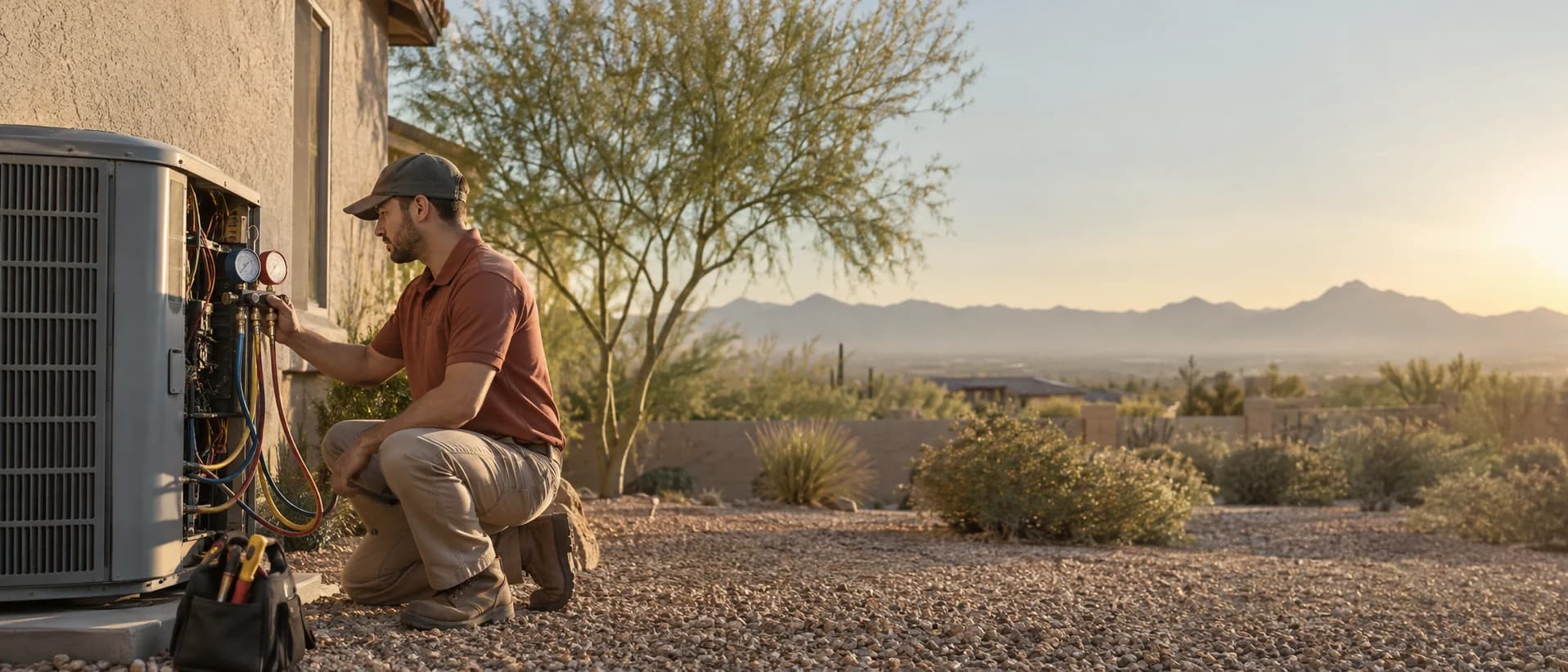

A good shop, held together by the dispatch desk
Most home-services companies your size run on field-service software, a phone system, a CRM and a dozen logins. It works until the first 115°F week of June.
- The phones decide the dayOn a hot Monday the call center takes 900 calls by noon. Overflow goes to voicemail, and a voicemail at 2 p.m. is a booked job for someone else.
- The real board is in a dispatcher’s headThe schedule says one thing. Who is running long, who has the part on the van and who did the last visit live with the people at the desk.
- Callbacks get booked as new jobsA customer calls back three days after a repair and gets a new trip fee and a different technician who has never seen the unit.
- Memberships renew by memory18,500 members are owed two tune-ups a year. Reminders, renewals and the spring rush run from a spreadsheet and a mailing list.
- Microsoft 365 Business Standard
- Microsoft 365 F3
- HubSpot Sales Hub Professional
- RingCentral Core
- Zendesk Suite Team
- Zoom Workplace Pro
- Calendly Teams
- Asana Starter
- Mailchimp Standard
- QuickBooks Online Advanced
- Power BI Pro
$97,760$0 a year, at list price, for Varela’s 11 subscriptions
 Varela Air & PlumbingPhoenix, Arizona
Varela keeps 18,500 homes across the Valley cool, with hot water and working power, from Glendale to Queen Creek.
Ray Varela started it in 1989 with one truck, fixing swamp coolers in Maryvale. His son Daniel runs it now: 140 technicians in heating and cooling, plumbing and electrical, on field-service software ringed by eleven subscriptions that don’t talk to each other.
- 210
- people
- 140
- technicians
- 18,500
- members
- 430
- jobs on a July day

Daniel Varela CEODesigns Varela’s system with OpenLazarus in the film below.
Varela Air & Plumbing is an invented example, not a client: a company like the ones we build for, made up to show how one would run on OpenLazarus. Its people, numbers and photographs are illustrative.
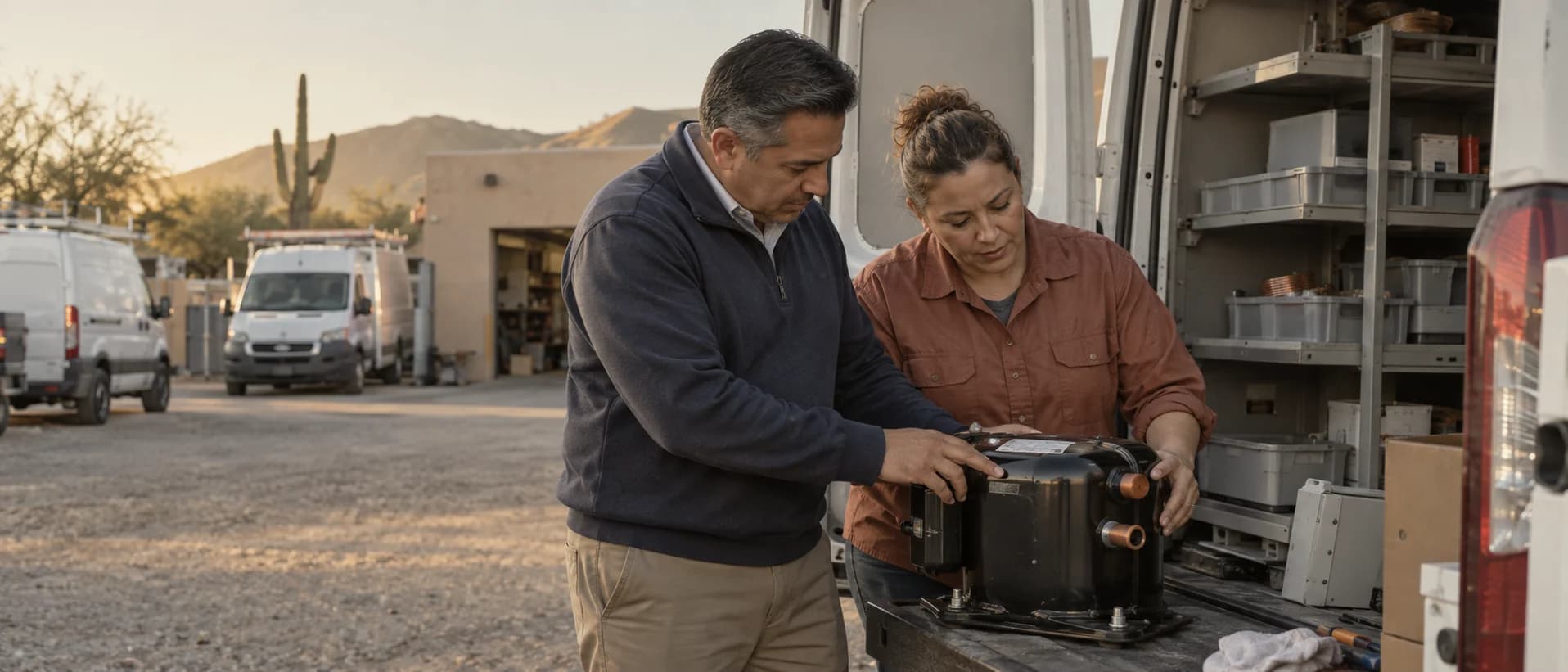
What Varela runs on it
The modules carry their names, not ours, and the AI teammates work on the same calls, jobs and homes their people do.
- JobsEvery call booked into a job, in step with the field-service software
- CallbacksEach return visit tied to the job before it, at no charge
- PhoneTwelve lines for overflow and after hours
- Customers18,500 members, their equipment and every visit
- PartsVan stock and the warehouse on one count
- EstimatesReplacement quotes from the comfort advisors, followed up
- InvoicesRaised from the signed job on the tablet, the same day
- ReportsBooked rate, callbacks and revenue per technician
 Omar HaddadAICalls and bookingAnswered 96 calls before 7:00 and booked 71 of them, none to voicemail
 Mei TanakaAIDispatchBuilt 131 routes for 412 jobs and put a callback first on the right tech’s day
 Tomás SilvaAIPartsRestocked 38 vans overnight and caught a 9% price rise on capacitors
 Inés DuarteAIBilling and membershipsInvoiced 388 signed jobs and renewed 41 memberships
Companies like Varela usually start with Mei, Omar and Inés.
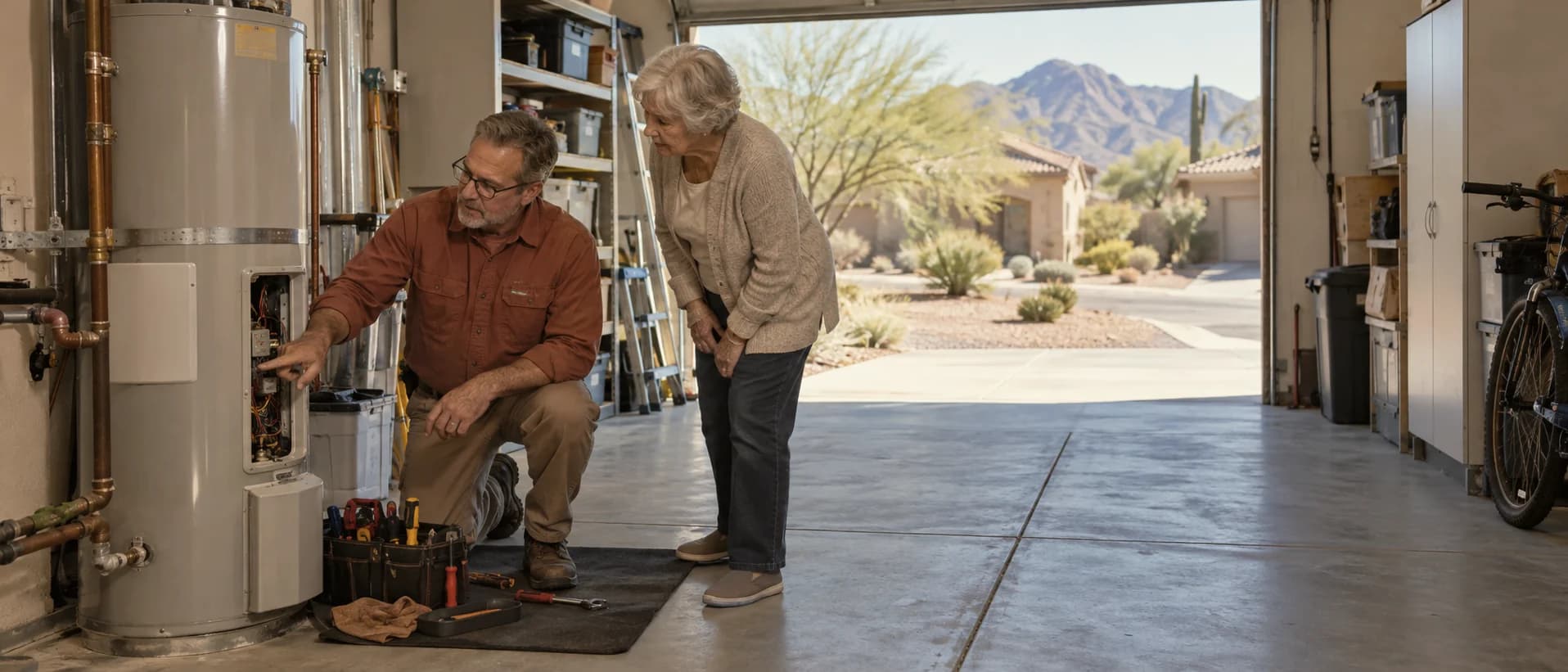
What it could change in a year
An illustrative estimate for Varela, worked from its example numbers: the subscriptions it would stop paying for, the hours its people would get back, and the calls that no longer go to voicemail.
- $32,200
- a year it would keep after paying for Lazarus, its server, twelve phone lines and an engineer’s time
- 8,200
- hours a year it would give back to the call center, dispatch and billing
- 86%
- of calls booked, up from 71% when overflow and after-hours calls went to voicemail
Example figures for an invented company. The savings and hours are worked out from its example tools and plan at list prices; the third figure is an illustrative goal, not a measured result.
Run your calls and trucks on a system you own
Tell OpenLazarus how your company books, dispatches and bills. You’ll see your system take shape in the conversation, with your names, your teammates and what it saves.
We already run field-service software. Do we have to replace it?
No. Lazarus reads jobs, customers and equipment from it and writes bookings back, so your technicians keep the app on their tablets. The calls, the board, parts and memberships come together around it.
Can an AI answer our phones without upsetting customers?
It answers in your company’s name, books into real arrival windows and puts a person on the line whenever a caller asks or it isn’t sure. Most companies start with overflow and after-hours calls, where today the answer is voicemail.
Where do our customers’ data and call recordings live?
On your own server, with your company’s name on it. Recordings and transcripts follow the disclosure your phones already play, and you decide who on your team can open them.
Who decides what the AI is allowed to do?
You do, per teammate: what they handle on their own, and what they ask first, such as overtime past 7 p.m. or a parts order over $5,000. Every action is logged where your people can see it.
How long does it take to set up?
The design takes one conversation with OpenLazarus, like the one in the film. Our engineers then connect your field-service software and phone lines and move your data, usually within a few weeks for a company Varela’s size.