The office and every job site, on one system
RFIs wait in inboxes, daily reports ride home in the supers’ trucks, and change orders live in a spreadsheet. Bring all of it into one place that knows every job, sub and dollar, and put AI teammates on the paperwork in between.
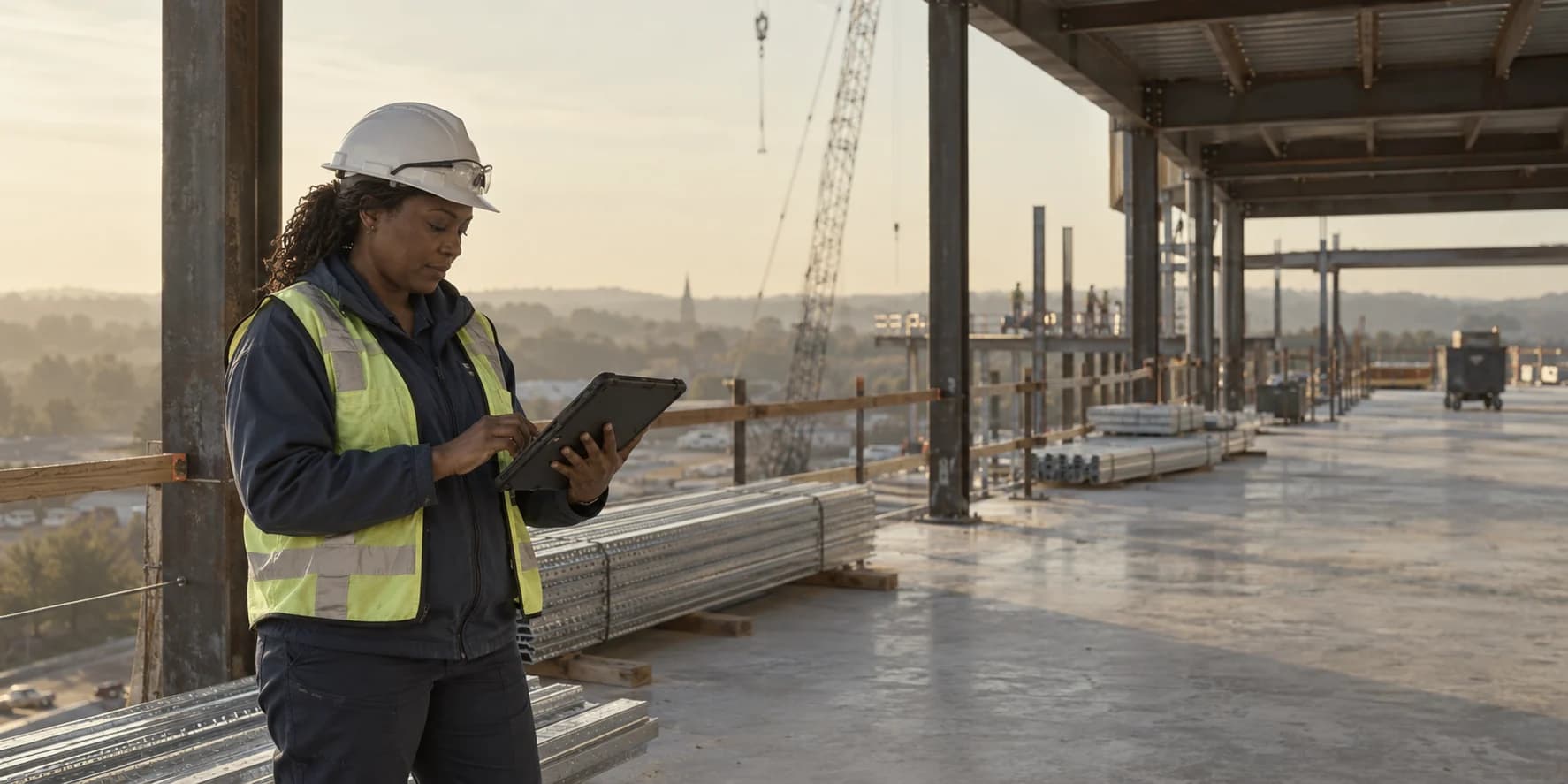

Twenty-six jobs, held together by phone calls
Most contractors your size run on a project platform, an accounting system and a stack of subscriptions, with the real status in the superintendents’ heads. It works until a change order goes unbilled for a quarter.
- The day gets written up at nightSupers run the site until four, then type the daily report from memory and a camera roll. Half of what happened never makes it in.
- RFIs wait in someone’s inboxThe architect’s answer lands at 9 p.m. The drywall crew frames the old detail at 7 a.m. because nobody told them.
- Change orders get built before they get pricedA super says yes to extra blocking on a Tuesday. The work is done by Friday, and the price reaches the owner six weeks later, if it does.
- Pay apps eat the last week of the monthPMs chase sub pay apps and lien waivers by email to make the owner’s deadline, and retainage waits on the one waiver still missing.
- Microsoft 365 Business Standard
- Microsoft 365 F3
- HubSpot Sales Hub Professional
- Zoom Workplace Pro
- RingCentral Core
- Otter Business
- Asana Starter
- Power BI Pro
- Mailchimp Standard
$85,841$0 a year, at list price, for Tatum’s 9 subscriptions
 Tatum BuildersNashville, Tennessee
Tatum builds schools, clinics and offices for owners across Middle Tennessee, from $2M renovations to $40M new builds.
James Tatum started pouring foundations in East Nashville in 1979. His son Warren runs it now: 26 jobs at once, 14 superintendents and its own concrete crews, on a project platform, an accounting system and nine subscriptions that don’t talk to each other.
- 180
- people
- 26
- jobs under way
- 14
- superintendents
- $140M
- built a year

Warren Tatum CEODesigns Tatum’s system with OpenLazarus in the film below.
Tatum Builders is an invented example, not a client: a company like the ones we build for, made up to show how one would run on OpenLazarus. Its people, numbers and photographs are illustrative.
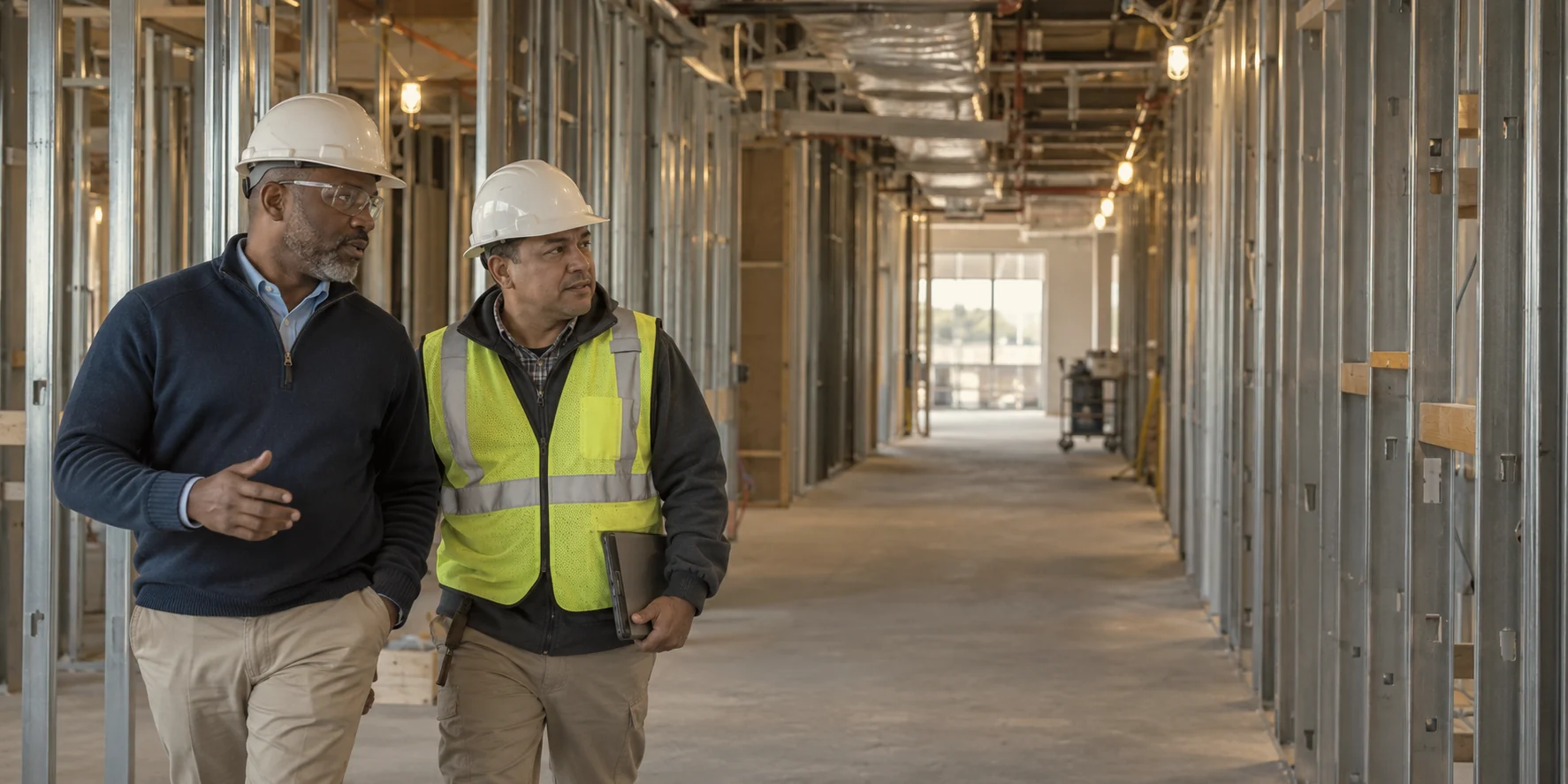
What Tatum runs on it
The modules carry Tatum’s names, not ours, and the AI teammates work on the same jobs, subs and drawings its people do.
- JobsEvery job from preconstruction to closeout, with its super
- RFIsEach question to the design team, with who owes the answer
- Change ordersFrom the super’s yes in the field to the line on the pay app
- DrawingsThe current set, with every answer and sketch filed on its sheet
- Subs340 subcontractors, their insurance, quotes and who to call
- Pay appsBuilt from the schedule of values, with every waiver attached
- MinutesEach owner meeting written up, with actions on the right job
- ReportsCost to complete, open RFIs and unbilled change work by job
 Ethan WalshAIProject engineeringLogged 9 RFIs and got an overnight answer to two subs before 7:00
 Mei TanakaAIField coordinationWrote up 23 daily reports from voice notes and photos, and booked 6 inspections
 Tomás SilvaAIBuyout and change ordersPriced 4 change orders from 11 sub quotes and caught one $6,200 over its bid
 Inés DuarteAIPay appsCollected 31 lien waivers for October and chased the two still missing
Companies like Tatum usually start with Ethan, Mei and Tomás.

What it could change in a year
An illustrative estimate for Tatum, worked from its example numbers: the subscriptions it would stop paying for, the hours its people would get back, and the change work that reaches the pay app.
- $23,200
- a year it would keep after paying for Lazarus, its server, four phone lines and an engineer’s time
- 7,600
- hours a year it would give back to the supers, the project managers and accounting
- 96%
- of approved change orders billed on the next pay app, up from 78% before each one had an owner
Example figures for an invented company. The savings and hours are worked out from its example tools and plan at list prices; the third figure is an illustrative goal, not a measured result.
Run your jobs on a system you own
Tell OpenLazarus how your company builds. You’ll see your system take shape in the conversation, with your names, your teammates and what it saves.
We already have a project platform and construction accounting. Do we replace them?
No. Lazarus reads from them and writes back where it has to, so jobs, costs and documents stay on one record. Most contractors move the daily work into Lazarus first and keep the accounting system as the book of record.
Will my superintendents actually use it?
They don’t have to type much. A super talks through the day on the phone or snaps photos, and the field teammate writes the daily report for them to check. The tablet in the truck shows their jobs and nothing else.
Who decides what the AI is allowed to do?
You do, per teammate: what they handle on their own and what they ask first, such as a change order over $10,000 to an owner or a pay app before it goes out. Every action is logged on the job where your people can see it.
What about our drawings, contracts and owners’ data?
They stay on your own server, not in a shared app. Access follows the job, so a sub’s foreman sees their scope and the owner’s rep sees their building, and nothing trains anyone else’s model.
How long does it take to set up?
The design takes one conversation with OpenLazarus, like the one in the film. Our engineers then connect your project platform, accounting and phone lines and move your jobs, usually within a few weeks for a contractor Tatum’s size.