Every donor, volunteer and pound of food on one system
Gifts land in one database, shifts on a sign-up site, and the food in a warehouse system. Bring all of it into one place that knows every partner, funder and volunteer, and put AI teammates on the work in between.
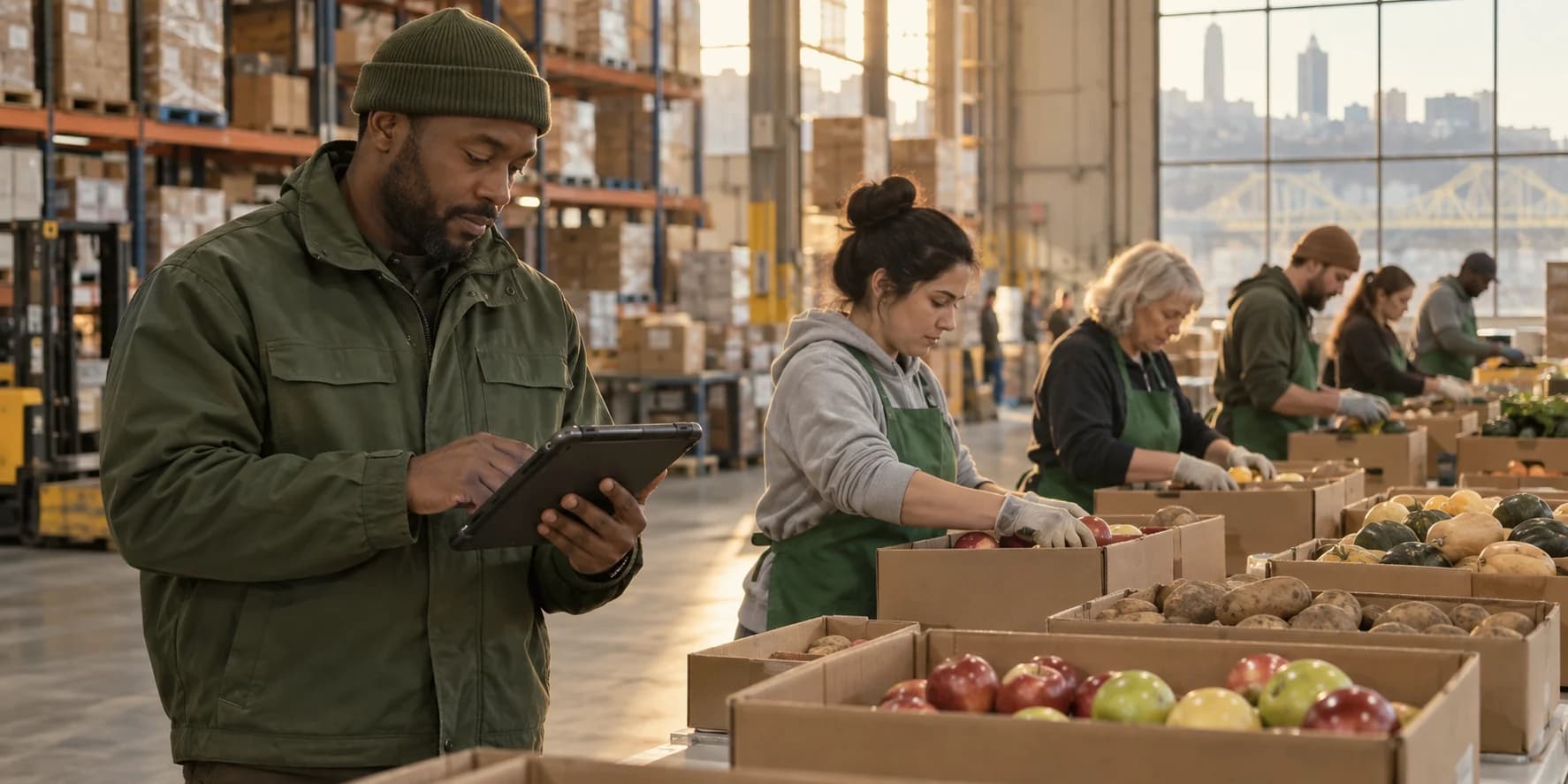

A big mission, run on goodwill and spreadsheets
Most nonprofits your size run on a donor database, a sign-up site and a warehouse or case system, with email in between. It works until a grocer calls at 4 p.m. with a ton of milk.
- Rescued food has a clock on itA grocer calls with 900 pounds of produce and dairy. Whoever answers has to find a driver and a truck with cooler room, or the food goes in a dumpster.
- Volunteer shifts fill by hopeSaturday’s sort has 60 sign-ups and 41 show. Tuesday’s is half empty, and the coordinators spend Friday night on the phone.
- Every funder wants its own reportTwelve funders, twelve formats. Pounds by county and households served get pulled by hand from three systems the week each one is due.
- Pantries order from last week’s listPartner pantries order from a list that is out of date by Tuesday, then call to ask what really came in.
- Google Workspace Business Standard
- Slack Pro
- Zoom Workplace Pro
- HubSpot Sales Hub Professional
- Mailchimp Standard
- Zendesk Suite Team
- RingCentral Core
- Calendly Teams
- Asana Starter
- QuickBooks Online Advanced
- Power BI Pro
- Otter Business
$76,712$0 a year, at list price, for Tableland’s 12 subscriptions
 Tableland Food BankPittsburgh, Pennsylvania
Tableland gets 28 million pounds of food a year to 310 pantries, shelters and school programs across eleven counties of western Pennsylvania.
A steelworkers’ local and four Mon Valley parishes started it in a church basement in 1983, the year the mills closed. Delia Morrow first came as a teenage volunteer and runs it now: one warehouse, 14 trucks and 2,100 volunteers a month, on a donor database, a warehouse system and twelve subscriptions that don’t talk to each other.
- 110
- staff
- 2,100
- volunteers a month
- 310
- partner pantries
- 28M
- pounds a year

Delia Morrow President and CEODesigns Tableland’s system with OpenLazarus in the film below.
Tableland Food Bank is an invented example, not a client: a company like the ones we build for, made up to show how one would run on OpenLazarus. Its people, numbers and photographs are illustrative.
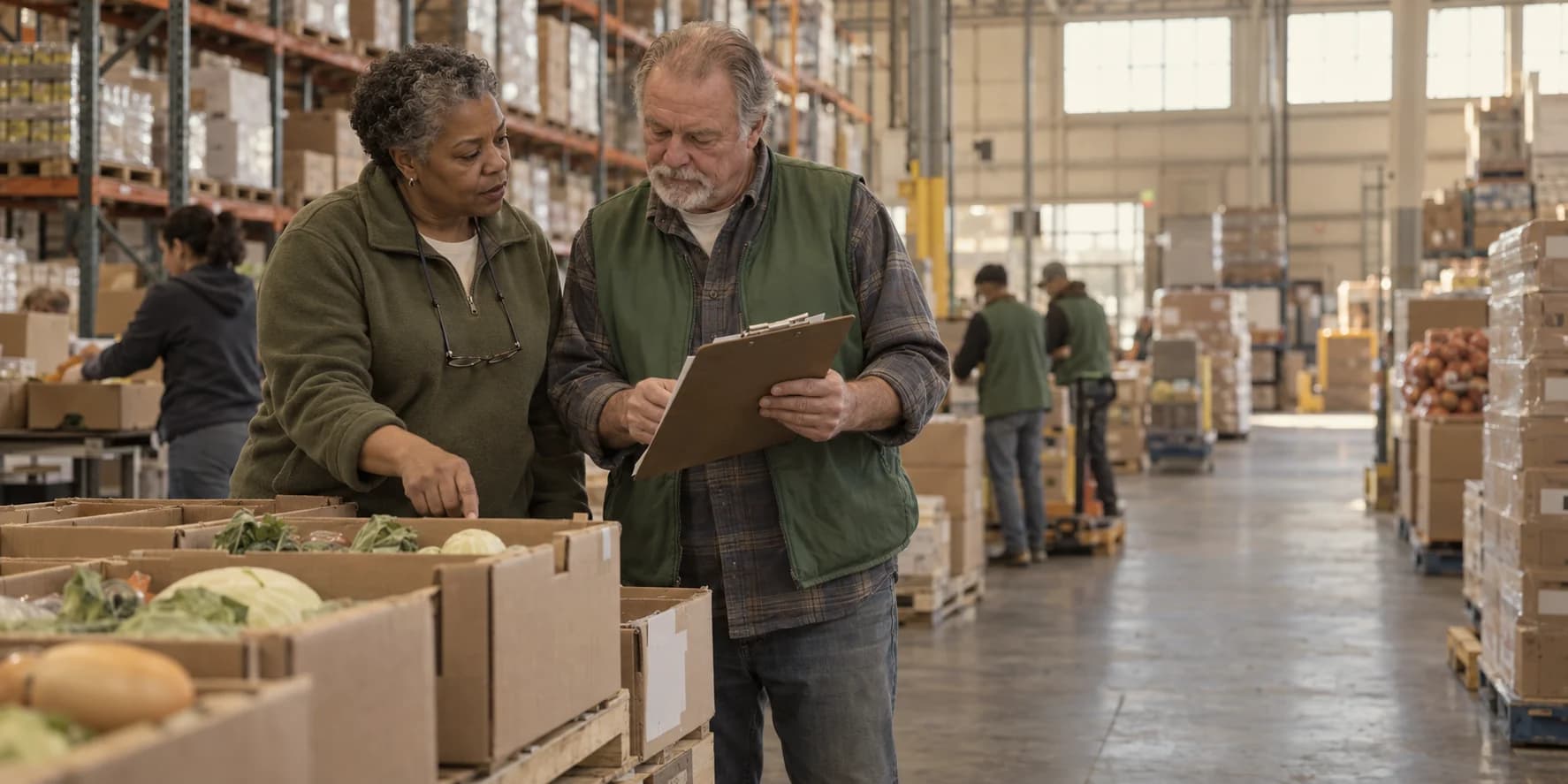
What Tableland runs on it
The modules carry Tableland’s own names, and the AI teammates work on the same food, partners and funders its people do.
- Food rescueEvery grocer’s offer on a truck with cooler room before it spoils
- Pantry orders310 partners ordering from what is on the shelf today
- WarehouseDry, cooler and freezer, counted in pounds and days left
- Shifts2,100 volunteers a month, signed up where they are needed
- GrantsEvery application and report, by funder and deadline
- Donors18,000 donors, every gift thanked by name
- PhoneSix lines for food rescue, partners and the volunteer desk
- ReportsPounds by county, households and volunteer hours, for every funder
 Mei TanakaAIFood rescue dispatchRouted 41 grocery pickups onto five trucks, cooler loads first
 Sam OkaforAIPartner relationsOffered 2,200 pounds of rescued dairy to the four pantries with cooler room
 Amara DialloAIVolunteersFilled Saturday’s sort shift, 58 of 60, from the waitlist and a church youth group
 Arjun MehtaAIGrants and reportingDrafted the Larkmoor Foundation’s quarterly report: 7.1 million pounds across 11 counties
Companies like Tableland usually start with Mei, Amara and Arjun.
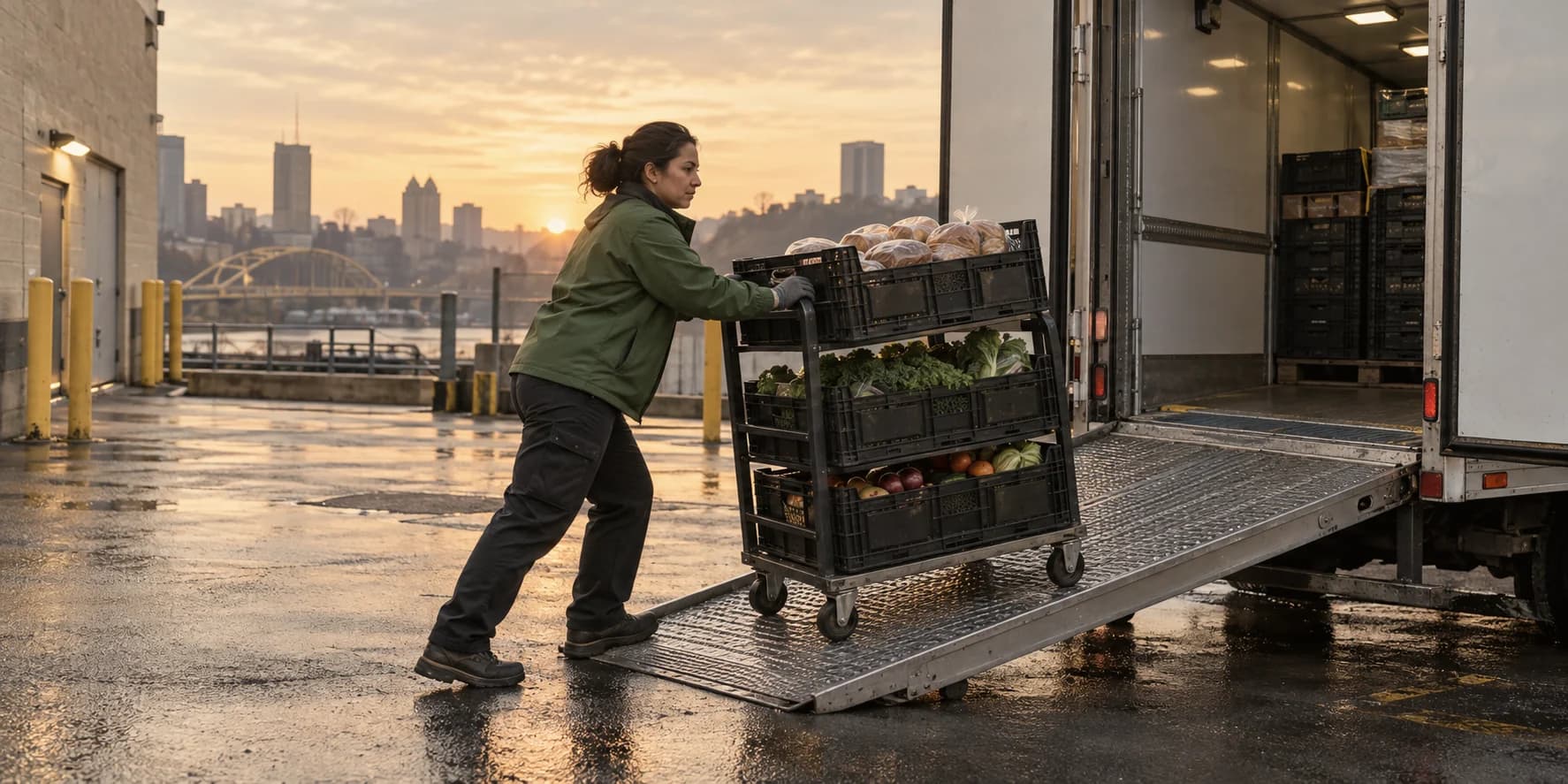
What it could change in a year
An illustrative estimate for Tableland, worked from its example numbers: the subscriptions it would stop paying for, the hours its people would get back, and the rescued food that would reach a pantry instead of a dumpster.
- $13,400
- a year it would keep after paying for Lazarus, its server, six phone lines and an engineer’s time, at list prices
- 4,800
- hours a year it would give back to dispatch, partner relations, the volunteer desk and grants
- 97%
- of grocer offers picked up the same day, up from 84% before each one had an owner
Example figures for an invented company. The savings and hours are worked out from its example tools and plan at list prices; the third figure is an illustrative goal, not a measured result.
Run your mission on a system you own
Tell OpenLazarus how your organization works: your programs, your funders, your volunteers. You’ll see your system take shape in the conversation, with your names and what it saves.
We already have a donor database and a warehouse system. Do we replace them?
No. Lazarus reads from them and writes back where it has to, so a gift, a pantry order and a pallet each stay on one record. Most organizations move the daily work into Lazarus first and decide about the old screens later.
Our software is donated or discounted. Are these savings real for us?
The numbers on this page use each tool’s list price, because that is the price we can check. Many nonprofits pay less through donated or discounted licences, so your saving on subscriptions may be smaller and the case may rest on the hours back. Check the estimate against what you actually pay before you decide.
What about donor privacy and our funders’ rules?
Your system runs on your own server, and donor, volunteer and partner records stay on it. Each teammate sees only the modules you give it, every action is logged, and a restricted gift stays tagged to the program it was given for.
Who decides what the AI is allowed to do?
You do, per teammate: what they handle on their own, and what they ask first, such as anything sent to a funder or turning down a donation over 1,000 pounds. Every action is logged where your staff can see it.
Will our volunteers have to learn another system?
No. Volunteers sign up and get reminders by text and email as they do now, and shift leads see their roster on their phones. The design takes one conversation with OpenLazarus, and our engineers connect your systems within a few weeks.