Referrals, schedules and claims for every clinic, on one system
Referrals arrive by fax, benefits get checked by phone, and authorizations run out unnoticed. Bring the work around your EHR into one place you own, and put AI teammates on it.
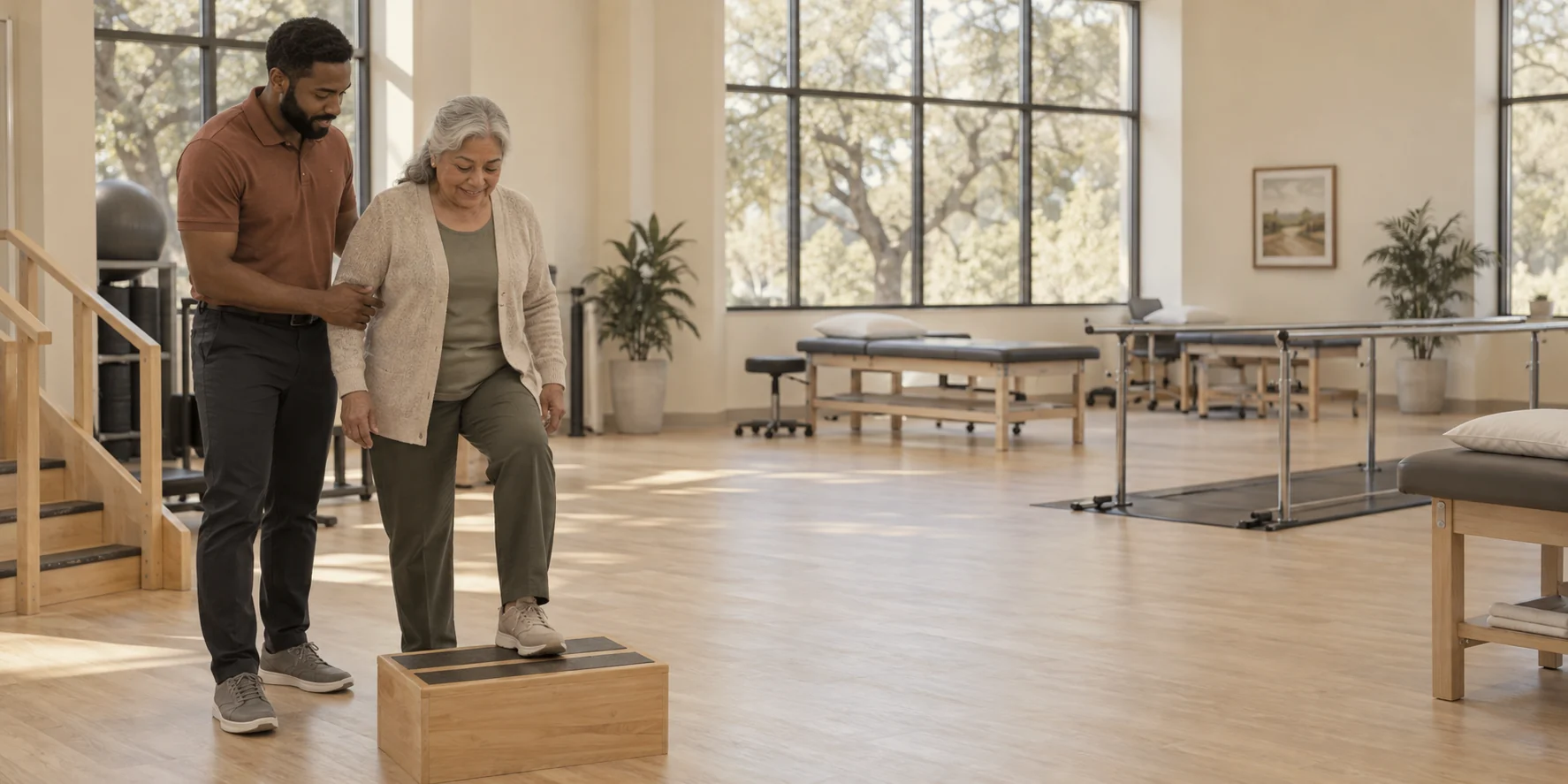

Good care, held together by the front desk
Most practices your size run on an EHR built for the treatment room, a phone system and a front desk that remembers everything. It works until a payer stops paying at visit thirteen.
- Referrals arrive by fax and waitA physician’s office faxes a referral at 4:50 p.m. It sits in a tray until someone calls the patient, often two days later.
- Benefits checked one call at a timeEvery new patient means twenty minutes on hold with a payer, done between check-ins with someone waiting at the counter.
- Authorizations run out quietlyA plan approves twelve visits. Nobody notices it ran out until the claim for visit thirteen comes back unpaid.
- The 8 a.m. slot stays emptyAbout one visit in nine is cancelled late or missed. The waitlist lives on a sticky note, so the slot goes unfilled.
- Microsoft 365 Business Standard
- Microsoft 365 F3
- RingCentral Core
- Zoom Workplace Pro
- HubSpot Sales Hub Professional
- Calendly Teams
- Zendesk Suite Team
- Mailchimp Standard
- QuickBooks Online Advanced
- Power BI Pro
- Otter Business
$92,853$0 a year, at list price, for Hart & Ruelas’s 11 subscriptions
 Hart & Ruelas Physical TherapySan Antonio, Texas
Hart & Ruelas treats knees, backs, shoulders and balance in fourteen neighbourhood clinics across San Antonio and the Hill Country.
Marisol Ruelas and Glenn Hart, two therapists from the same hospital rehab floor, opened their first clinic off Blanco Road in 2003. Glenn retired in 2021. Marisol runs fourteen clinics now, on an EHR built for the treatment room, eleven subscriptions around it and front desks that hold the rest together by phone.
- 230
- people
- 14
- clinics
- 3,400
- visits a week
- 410
- referring physicians

Marisol Ruelas CEO and co-founderDesigns Hart & Ruelas’s system with OpenLazarus in the film below.
Hart & Ruelas Physical Therapy is an invented example, not a client: a company like the ones we build for, made up to show how one would run on OpenLazarus. Its people, numbers and photographs are illustrative.
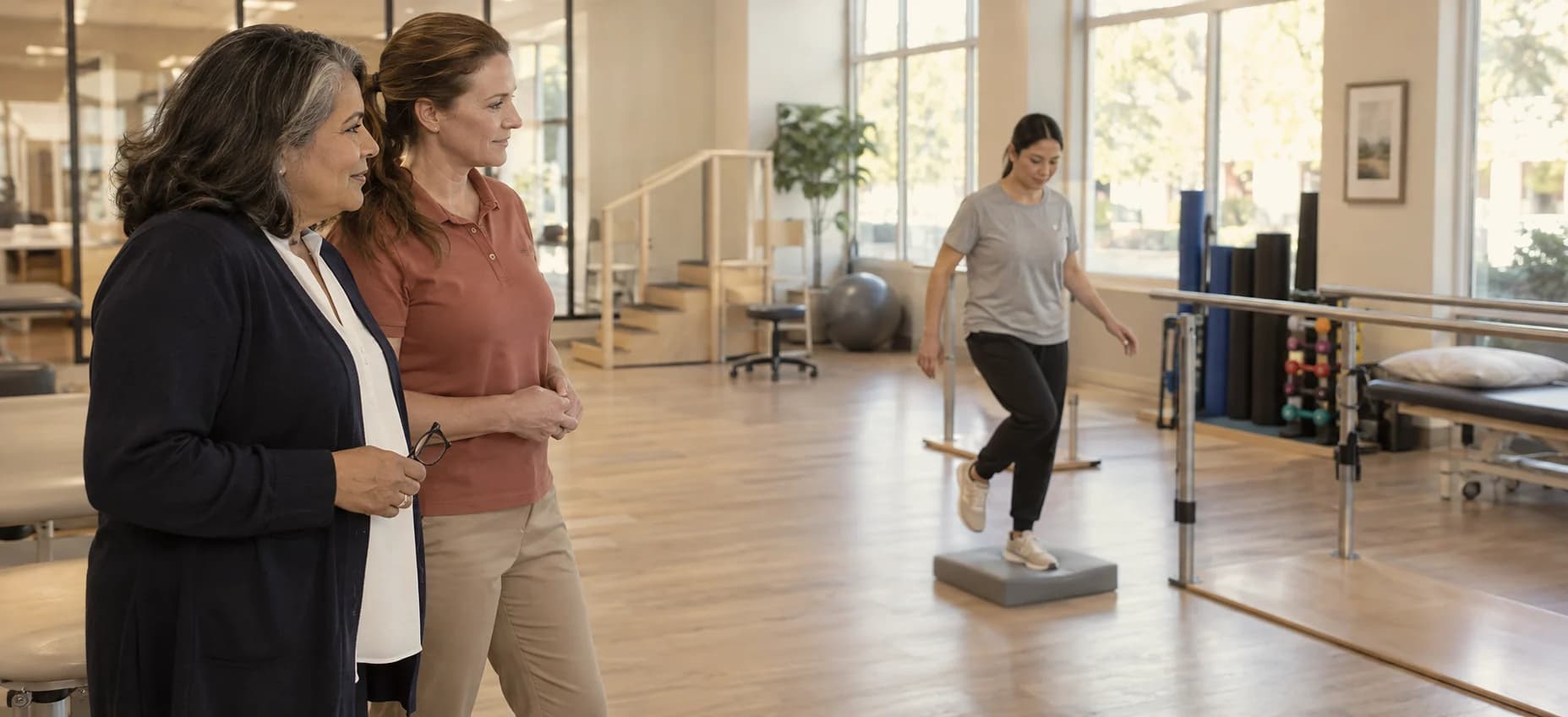
What Hart & Ruelas runs on it
The modules carry their names, not ours. The AI teammates work beside the front desks and the billing office, and the EHR stays the clinical record.
- ReferralsEvery physician referral, from the fax to the last authorized visit
- RequestsReschedules and billing questions, each with an owner
- PhoneFourteen lines, one per clinic, shared with Omar
- Physicians410 referring physicians and how each likes to hear back
- StatementsCopays and balances, matched to what each payer paid
- MessagesEvery clinic and the central office, teammates included
- ReportsVisits, late cancels and days to first visit, by clinic
 Omar HaddadAIFront deskAnswered 212 calls across fourteen clinics and filled 9 cancelled slots from the waitlists
 Grace LindqvistAIBenefits and authorizationsChecked benefits for 61 new patients and filed 14 renewals by 7:00
 Inés DuarteAIBilling and denialsWorked last night’s 23 denials and resubmitted 19 with the missing modifier
 Priya RamanAIPhysician relationsSent 38 signed evaluations back to the physicians who referred them
Companies like Hart & Ruelas usually start with Omar, Grace and Inés.

What it could change in a year
An illustrative estimate for Hart & Ruelas, worked from its example numbers: the subscriptions it would stop paying for, the hours its people would get back, and the referrals that stop waiting in a tray.
- $26,600
- a year it would keep after paying for Lazarus, its server, fourteen phone lines and an engineer’s time
- 8,600
- hours a year it would give back to the front desks, the authorizations team and billing
- 3 days
- from referral to first visit, down from 8 before every fax had an owner
Example figures for an invented company. The savings and hours are worked out from its example tools and plan at list prices; the third figure is an illustrative goal, not a measured result.
Run your clinics on a system you own
Tell OpenLazarus how your practice works, from the first referral to the last statement. You’ll see your system take shape in the conversation.
We already have an EHR. Do we have to replace it?
No. The EHR stays the clinical record: notes, plans of care and billing codes. Lazarus reads the schedule and visit counts from it and writes back appointments and authorization numbers, so the work around the EHR lives in one place.
Where does patient information live?
On a server that belongs to your practice, not in a shared app. Each teammate sees only what its task needs, and every action is logged with who, what and when, so your compliance officer can review it before any patient data moves.
Will the AI give patients medical advice?
No. The teammates handle scheduling, benefits, authorizations and billing. Any clinical question, from soreness after a visit to a change in exercises, goes to the treating therapist the same day.
Who decides what the AI is allowed to do?
You do, per teammate: what they handle on their own, and what they ask first, such as keeping a visit the payer hasn’t approved yet or writing off a balance over $250. Your clinic directors see every action.
How long does it take to set up?
The design takes one conversation with OpenLazarus, like the one in the film. Our engineers then connect your EHR, payer portals and phone lines, usually within a few weeks for a group Hart & Ruelas’s size.