Every home, owner and work order on one system
Residents call at all hours. Vendors work by text. Owners wait on approvals and statements. Bring all of it into one place that knows every home and every lease, and put AI teammates on the work in between.
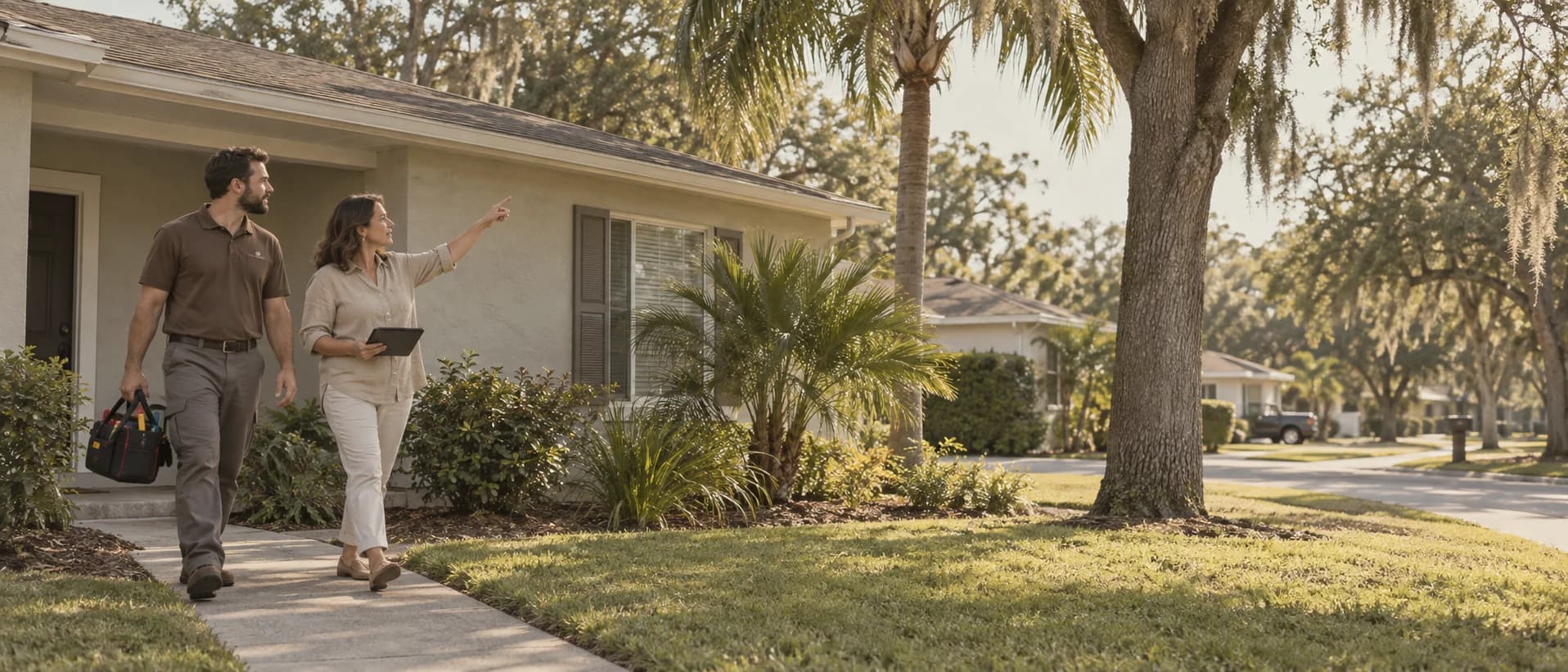

A good manager, stretched across 3,200 front doors
Most property managers your size run on property-management software, a phone system and a lot of texting with vendors. It works until a storm, or a Saturday move-in with no floors.
- The phone never stopsA leak at 2 a.m., a showing request at 2:05. The answering service takes a message, and the message waits for morning.
- Every empty day is the owner’s moneyA turn needs a cleaner, a painter, a flooring crew and a lock change, all booked by text. One cancellation and a home sits empty another week.
- Owners hear about repairs lastAnything over an owner’s limit goes to phone tag. The water heater waits while the quote sits in someone’s inbox.
- Hurricane season lives in a spreadsheetWhich homes have shutters, which residents need a call, which roofs need photos after. It gets rebuilt every June.
- Microsoft 365 Business Standard
- Microsoft 365 F3
- HubSpot Sales Hub Professional
- RingCentral Core
- Zendesk Suite Team
- Calendly Teams
- Zoom Workplace Pro
- Mailchimp Standard
- QuickBooks Online Advanced
- Power BI Pro
- Otter Business
- Asana Starter
$84,004$0 a year, at list price, for Tidewell’s 12 subscriptions
 Tidewell Property ManagementTampa, Florida
Tidewell looks after 3,200 rental homes, from single-family houses to fourplexes, for 900 owners around Tampa Bay.
Carmen and Dale Pruitt started it in 2009, when the crash turned half their Seminole Heights street into rentals. Carmen runs it now: three offices, 140 vendors and 3,200 homes, on property-management software and twelve subscriptions that don’t talk to each other.
- 110
- people
- 3,200
- homes
- 900
- owners
- 3
- offices

Carmen Pruitt CEODesigns Tidewell’s system with OpenLazarus in the film below.
Tidewell Property Management is an invented example, not a client: a company like the ones we build for, made up to show how one would run on OpenLazarus. Its people, numbers and photographs are illustrative.
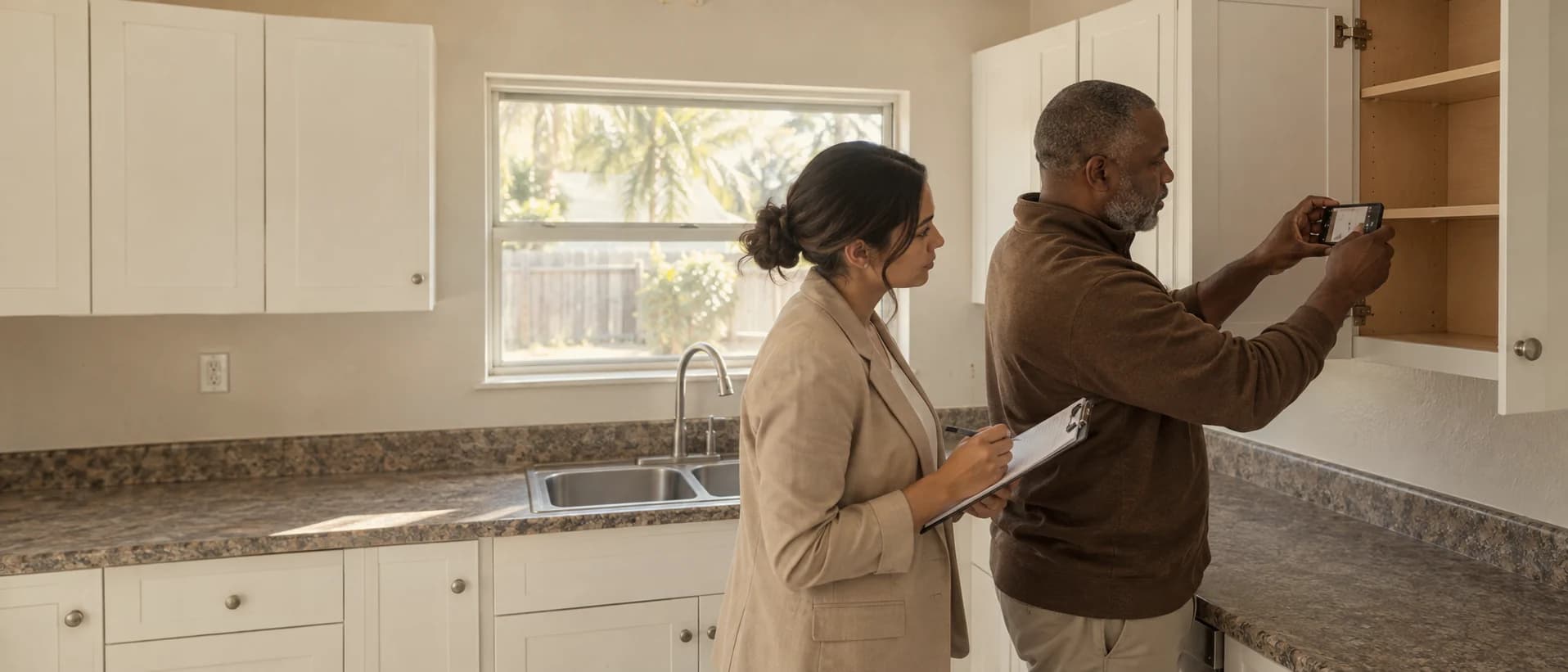
What Tidewell runs on it
The modules carry its names, not ours, and the AI teammates work on the same homes, residents and owners its people do.
- Work ordersEvery resident request, with a vendor, a time and a photo when it’s done
- Properties3,200 homes, each with its lease, its owner and where its turn stands
- ResidentsLease dates, renewals and every call they’ve made
- Owners900 owners, their repair limits and how they like to hear from us
- LeasingEvery inquiry from the first call to a signed lease
- PhoneEight lines for the resident line and leasing, day and night
- FilesLeases, move-out photos and every storm checklist
- ReportsOccupancy, days to turn and repair times by office
 Sam OkaforAIResident lineAnswered 61 overnight calls, opened 23 work orders and sent a plumber to a leak at 02:46
 Ethan WalshAIMake-readiesRebooked Thursday’s flooring at 2207 W Palmetto and confirmed 31 vendor visits
 Lucas MoreauAILeasingAnswered 88 listing inquiries and booked 26 showings for today
 Inés DuarteAIOwner accountingMatched 2,940 October rent payments and sent 47 polite reminders
Companies like Tidewell usually start with Sam, Ethan and Lucas.
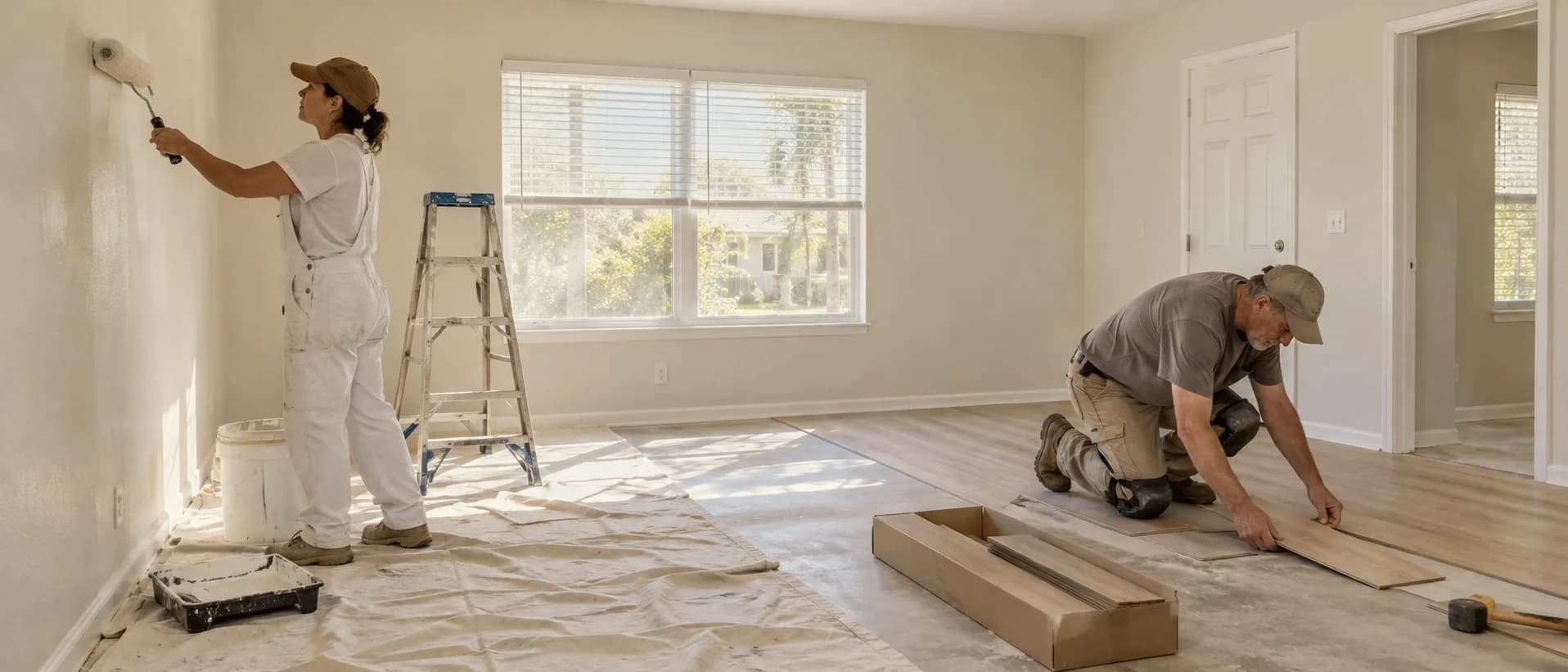
What it could change in a year
An illustrative estimate for Tidewell, worked from its example numbers: the subscriptions it would stop paying for, the hours its people would get back, and the days its homes sit empty.
- $19,900
- a year it would keep after paying for Lazarus, its server, eight phone lines and an engineer’s time
- 4,600
- hours a year it would give back to the maintenance desk, leasing and owner accounting
- 12 days
- to turn a home between residents, down from 19 before every make-ready had an owner
Example figures for an invented company. The savings and hours are worked out from its example tools and plan at list prices; the third figure is an illustrative goal, not a measured result.
Run your doors on a system you own
Tell OpenLazarus how your company looks after homes. You’ll see your system take shape in the conversation, with your names, your teammates and what it saves.
We already have property-management software. Do we have to replace it?
No. It stays the record for leases, rent and the trust account. Lazarus reads from it and writes back work orders, notes and approvals, so your people work in one place and the books stay where your auditor expects them.
What about fair housing and residents’ privacy?
Lucas answers questions and books showings, but every screening decision stays with a person on your team, against your written criteria. Resident and owner data lives on your own server, and every action a teammate takes is logged.
Who decides what the AI is allowed to spend?
You do, per teammate: what they handle alone and what they ask first, like a vendor change over $250. Owners still approve their own repairs over their limit. Lazarus just gets them the photos and the quote sooner.
Does it help in hurricane season?
Every home carries its shutters, roof age and insurer, so the storm list is one view instead of a spreadsheet rebuilt every June. Teammates call or text residents, book the shutter crews and collect photos after the storm.
How long does it take to set up?
The design takes one conversation with OpenLazarus, like the one in the film. Our engineers then connect your property-management software and phone lines and move your data, usually within a few weeks for a company Tidewell’s size.