Every project, every hour, every invoice, on one system
Hours land a week late, scope drifts on a phone call, and the month’s billing waits in forty inboxes. Bring projects, clients and billing into one place your people own, and put AI teammates on the work in between.


Good engineers, billed by spreadsheet
Most firms your size run on a project accounting system, a CRM marketing keeps alive, and each project manager’s inbox. It works until the invoice draft says a job is at 91% of its fee.
- Scope moves on a phone callA client asks for one more lot layout. The engineer does it, nobody writes the change order, and the hours land against a fixed fee.
- WIP is a number you learn on the 5thTimesheets close late, invoices wait for each PM’s markup, and $1.4 million of finished work sits unbilled while the month turns.
- Permit clocks live in one person’s inboxA reviewer’s comment letter arrives while the engineer is in a creek bed. The 30-day response clock starts anyway.
- Every proposal starts from the last oneAn RFQ due Thursday gets rebuilt from an old proposal on someone’s drive, with resumes and project sheets copied by hand.
- Microsoft 365 Business Standard
- RingCentral Core
- Asana Starter
- HubSpot Sales Hub Professional
- Zoom Workplace Pro
- Otter Business
- Mailchimp Standard
- Calendly Teams
- Power BI Pro
$93,560$0 a year, at list price, for Pender Ashby’s 9 subscriptions
 Pender Ashby EngineeringRaleigh, North Carolina
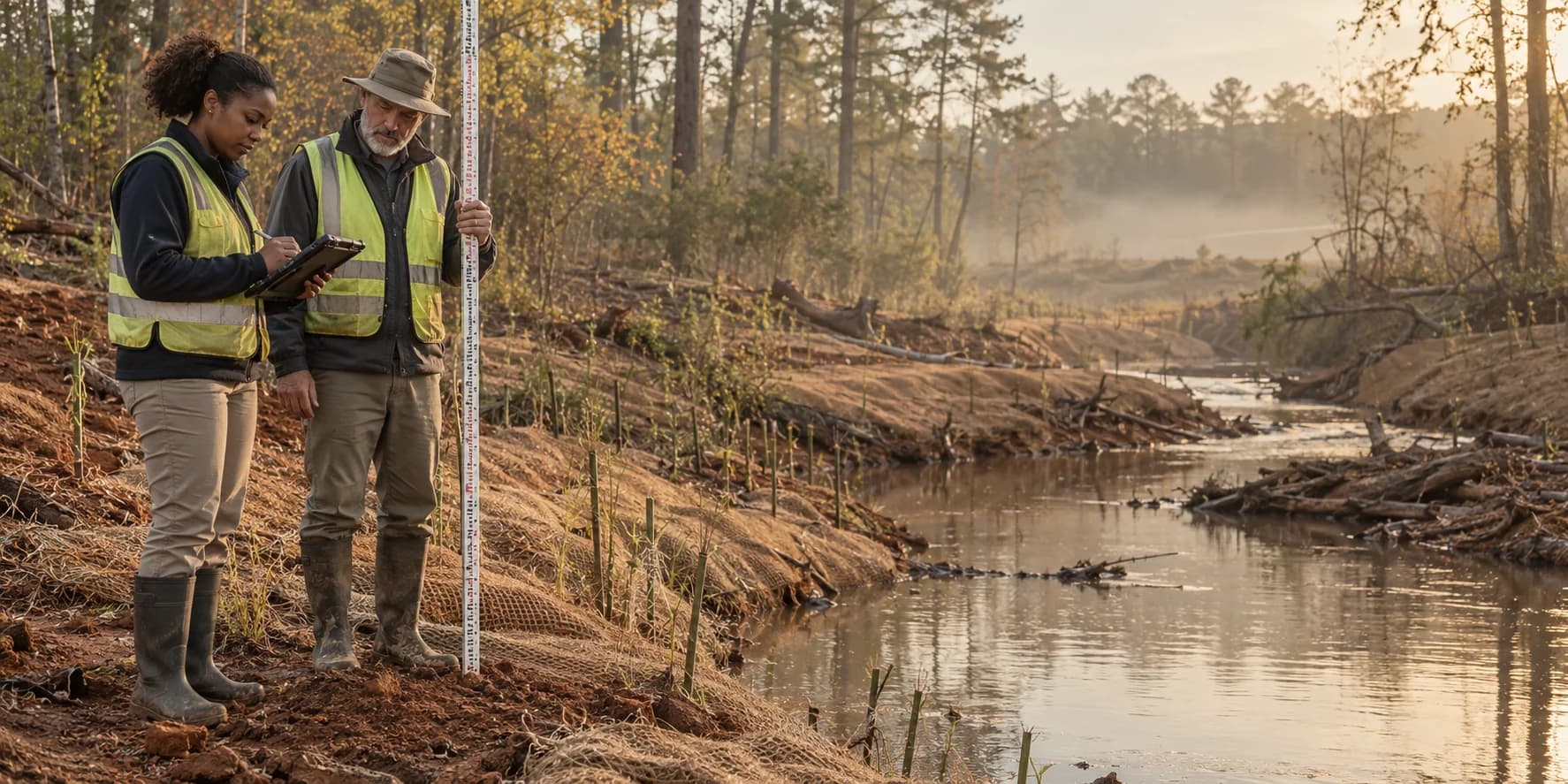
Pender Ashby designs sites, stormwater systems and stream restorations for developers, towns and land trusts across North Carolina.
Ruth Pender and Tom Ashby started it in 1996, drawing stormwater plans for subdivisions over a Raleigh hardware store. Calvin Odom joined as a staff engineer in 2003 and became president when the founders sold to the employees: three offices, 420 active projects, and nine subscriptions next to the project accounting system.
- 140
- people
- 3
- offices
- 420
- active projects
- 30
- years in practice

Calvin Odom PresidentDesigns Pender Ashby’s system with OpenLazarus in the film below.
Pender Ashby Engineering is an invented example, not a client: a company like the ones we build for, made up to show how one would run on OpenLazarus. Its people, numbers and photographs are illustrative.

What Pender Ashby runs on it
The modules carry the firm’s names, not ours, and the AI teammates work on the same projects, permits and clients its people do.
- Projects420 active jobs with their fee, hours and next deliverable
- PermitsEvery application and comment letter, with its clock and an owner
- PursuitsRFQs and proposals from go/no-go to signed contract
- ClientsDevelopers, towns and land trusts, with every project they gave you
- TranscriptsEvery client call written up, so a new ask is never lost
- EquipmentTrucks, GPS rovers and water-quality meters, booked by the visit
- InvoicesDrafted from approved time, written back to project accounting
- ReportsWIP, utilization and realization by PM and office
 Ethan WalshAIProject coordinationLogged 4 permit comments on Ashworth Commons and started the 30-day clock
 Grace LindqvistAIProposals and contractsDrafted change order 3 for Harlow Farms: 46 hours, $7,820
 Mei TanakaAIField schedulingBooked 23 site visits and inspections, with a truck and a rover for each
 Inés DuarteAIBilling and collectionsMatched 41 client payments and chased 12 invoices past 45 days
Companies like Pender Ashby usually start with Ethan, Grace and Inés.
What it could change in a year
An illustrative estimate for Pender Ashby, worked from its example numbers: the subscriptions it would stop paying for, the hours its people would get back, and the work that finally gets billed.
- $30,200
- a year it would keep after paying for Lazarus, its server, six phone lines and an engineer’s time
- 5,600
- hours a year it would give back to project managers, marketing and accounting
- 93%
- of hours worked billed to a client, up from 86% before out-of-scope work had an owner
Example figures for an invented company. The savings and hours are worked out from its example tools and plan at list prices; the third figure is an illustrative goal, not a measured result.
Run your firm on a system you own
Tell OpenLazarus how your projects move from proposal to final invoice. You’ll see your system take shape in the conversation, with your names, your teammates and what it saves.
We run on a project accounting system. Do we have to replace it?
No. Lazarus reads projects, fees and time from it and writes approved invoices and change orders back, so accounting keeps one ledger. Most firms move the daily project work into Lazarus first and leave the books where they are.
Our clients’ drawings and data are confidential. Where does it all live?
On your own server, under your own domain, with access by office, project and role. Nothing your clients send you is used to train a model, and every action a teammate takes is logged on the project.
Will the AI send things to clients without a PE seeing them?
Not unless you say so. You set what each teammate does alone and what it asks first, such as a change order over $5,000 or anything that carries an engineer’s seal. Technical work stays with your licensed engineers.
Our PMs already hate timesheets. Is this one more thing to fill in?
It should be one less. Hours, calls and site visits are drafted for them from their calendar, transcripts and field notes, and they approve the week in a few minutes instead of rebuilding it on Friday.
How long does it take to set up?
The design takes one conversation with OpenLazarus, like the one in the film. Our engineers then connect your project accounting system and phone lines and move your data, usually within a few weeks for a firm Pender Ashby’s size.